2015 in Review! Happy New Year!

Happy-new-year-2016
Attributed to Rajhansda10 under https://commons.wikimedia.org/wiki/File:Happy-new-year-2016.jpg

As we close 2015, I just wanted to say a huge THANK YOU to those of you who have started this journey with me to better understand pelvic health problems, pain, and really, the whole human body. It has been a wonderful blessing in my life, and a surprisingly great first year of the blog!

In this first year, we have had close to 35,000 views from 145 different countries, and that is so very humbling and exciting! I have really enjoyed learning, writing, and journeying with you all, and I am thrilled for some super fun new content to come in 2016 (hint: video editing software was on my Christmas list!)

So, to re-cap, as we tend to do at the end of a year… our top 5 blog posts of 2015 were:

#5 Is Running Bad for a Woman’s Pelvic Floor?

#4 A Pain in the Tail…bone (Part 2- Treatment)

#3 Pelvic Floor Problems in the Adult Athlete: Pelvic Floor Muscle-Related Pain

#2 A Pain in the Tail…bone (Part 1- What is it? How does it happen? How does it feel?) 

annnndddd number 1, without a contest…….Druummmrolllllll…..

#1 6 Reasons Why the Diaphragm may be the Coolest Muscle in the Body

2015 is a wrap! I’ll see you in the NEW YEAR!!

~ Jessica

Mindfulness, Meditation and Pain

“If you get the inside right, the outside will fall into place. Primary reality is within; secondary reality without.” ~ Eckhart Tolle, The Power of Now: A Guide to Spiritual Enlightenment

meditation-338446_1920

Within many traditional clinical practices, mindfulness-based or meditation-based exercises are considered alternative, eastern, touchy-feely or even “voo-doo.” It is often seen as a complementary treatment that may be helpful…but really isn’t going to “treat” the client. I’ve had many clinicians I respect significantly tell me that they don’t use guided meditation within their practice for this exact reason. Respectfully, I have to disagree with that sentiment. I recommend mindfulness-based relaxation or guided meditation to my patients on almost a daily basis, and I believe strongly that there are so many benefits in this practice for a person struggling with persistent pain.

Pain Neuroscience 

To understand why meditation is helpful in overcoming persistent pain, it is crucial to understand what pain is, and to truly grasp the role of the brain in pain (Summary: No brain, no pain). If you are new to this blog, or new to pain science in general, you have a few prerequisites before you move forward:

Ok, I could go on and on…but I won’t. So, we’ll move on.

What is Meditation/Mindfulness Training?  

Mindfulness is described here as a “non-elaborative, non-judgmental awareness of present moment experience.” There are a few different types of mindfulness based meditation practices, usually broken into:

  • Focused Attention: This involves focusing attention on a specific object or sensation (i.e. focusing on breath moving, or focusing on a certain space). If attention is shifted to someone else, the person is then taught to acknowledge it, disengage, and shift the attention back to the object of meditation.
  • Open Monitoring:  This is a non-directed practice of acknowledging any event that occurs in the mind without evaluation or interpretation
  • Variations: There are multiple variations of these practices, usually trending toward one variety or the other. For example, there are guided relaxation exercises which will shift the focus from one body part to another, meditation exercises based on focusing on a color moving through the body, etc.

Meditation and the Brain 

The cool thing is meditation has been found to have some pretty profound effects on the brain. This meta-analysis of fMRI studies aimed to determine how meditation influenced neural activity, and the results were pretty interesting. They found that brain areas from the occipital to frontal lobes were more activated during meditation, specifically areas involved in processing:

  •  self-relevant information (ie. precuneus)
  • self-regulation, problem-solving, and adaptive behavior (ie. anterior cingulate cortex)
  • interoception and monitoring internal body states (ie. insula)
  • reorienting attention (ie. angular gyrus)
  • “experiential enactive self” (ie. premotor cortex and superior frontal gyrus)

Basically, the authors state that all of these areas are characterized by “full attention to internal and external experiences as they occur in the present moment.”

For more information on how meditation impacts the brain, check out this great TEDx talk by Catherine Kerr:


Persistent Pain Implications

Now, you may be thinking, why does that matter for a person experiencing persistent pain? Well, it matters because for most people, pain does not solely exist in the present, but rather, is an experience influenced by a complex neural network, integrating 1) what you know about the pain 2) how dangerous you feel it is 3) your history relating to that pain 4) your fears/concerns/worries about the future 5) how this problem relates to your family, job, relationships, home, etc. and 6) so so much more. (including everything helpful and unhelpful your health care providers have told you about your pain.)

Here’s an example. Let’s say you start having some back pain one day after bending over to pick up something off the floor. Happens right? But, what if you used to have back pain years ago and had an MRI that showed degenerative changes in your spine? And what if you have a two year old you have to carry around frequently? What if work has been difficult recently and you’re worried your job is in jeopardy? What if you had a physical therapist tell you that you should never bend down like that or you would “hurt your back?” The amazing thing is that all of these experiences, histories, thoughts, emotions are seamlessly integrated by your brain to determine the immediate “threat level” of your low back, and create an overall pain experience (ultimately, designed to be helpful and protect you against harm).  This story is a real one, and actually happened to a patient of mine…by the time she came into my office, she couldn’t bend forward at all, had severe pain, and was very worried about the level of “damage” in her low back. But, the truth was, she had really just moved in a way that her body chose to guard, and nothing was really “damaged” at all. After a quick treatment session, she was back to full motion without any pain. Now, am I magical in “fixing” backs like that? Yes. But that’s besides the point. But really, all I did was remove the threat level by taking her back to the present moment (ie. Your back is not damaged. Bending is totally fine and functional to do. This is going to get better really soon.) and restore movement to a system that was guarding against it.

So, what does this have to do with meditation/mindfulness? Well, at it’s core, meditation is about changing awareness and improving focus to the present moment. This can then change the “pain story” to decrease the threat level for the present moment, and thus help a person move toward recovery.

Does it work? 

The best part is that it actually seems to make a significant impact (although, of course, we need better larger studies!) Of course, it is just one piece of the puzzle–but I really believe it can be an important component of a comprehensive program to help someone experiencing persistent pain. And, the research actually is trending toward it being beneficial too. In fact, meditation and mindfulness-based stress reduction has been shown to be helpful in reducing pain and improving quality of life in men and women experiencing chronic headaches, chronic low back pain,  and non-specific chronic pain.  There have not been many studies looking specifically at chronic pelvic pain, but there was one pilot study I found, and it also seemed to show favorable results in improving quality of life.  Will it take you 10 years of channeling your inner guru to see the benefits? Actually, the research seems to indicate that changes happen pretty quickly. This study actually found improvements after just four sessions.

Getting Started 

If you are experiencing persistent pain, or are a human who happens to have a brain, you would likely benefit from using meditation as part of your daily exercise program (Yes, I consider meditation exercise!) There are so many fabulous resources out there to get started in practicing mindfulness/meditation. Here are a few of my favorites:

Books that are helpful in understanding meditation:

The Power of Nowby Eckhart Tolle- $10 on Amazon 

Peace is Every Step, by Ticht Naht Han- $8 on Amazon 

Free Guided Meditation Exercises ONLINE/APPS-Note, I find different people tend to enjoy different guided meditations/programs. Try a few different ones here, or even go on to youtube and do a little search. You may find some you love and some you hate, and that really is ok. Try to find what works best for you!

Relax Lite with Andrew Johnson– available free on itunes and as an app!

Breathe to Relax– available free on itunes and as an app!

Headspace– available free on itunes and as an app!

Insight Timer– available free on itunes and as an app!

Sattva Meditation Tracker & Timer- available free on itunes and as an app!

Guided Meditation for Pelvic Pain– by Dustienne Miller, PT, available free on her website.

Tara Brach– Great resources with meditations, lectures, and more!

I hope this is helpful for you! What other resources do you enjoy for relaxation/mindfulness/meditation?  Please feel free to share in the comments below!

Wishing you a very merry Christmas and a happy new year!!

~Jessica


Why get Pelvic PT first? And, join me for a webinar Thursday 12/10!

If you didn’t know, December 1st was a day that all PTs came together to share with the public all of the benefits of seeking PT! My colleague, Stephanie Prendergast, founder of the Pelvic Health and Rehabilitation Center in California, wrote an amazing blog post on why someone should get pelvic PT first. I thought it was great (as you know…I post lots of Stephanie’s stuff), and Stephanie gave me permission to re-blog it here. So, I really hope you enjoy it. If you aren’t familiar with Stephanie’s blog, please check it out here. You won’t regret it. 

On another note, I will be teaching a live webinar Thursday 12/10 on Pelvic Floor Dysfunction in the Adult Athlete. I really hope to see some blog followers there! Register for it here.  

Now… enjoy this great post by Stephanie. ~ Jessica 

Why get PT 1st? Here are the Facts. By Stephanie Prendergast

very-small-getpt1st

Vaginal pain. Burning with urination. Post-ejaculatory pain. Constipation. Genital pain following bowel movements. Pelvic pain that prevents sitting, exercising, wearing pants and having pleasurable intercourse.

When a person develops these symptoms, physical therapy is not the first avenue of treatment they turn to for help. In fact, physical therapists are not even considered at all. This week, we’ll discuss why this old way of thinking needs to CHANGE. Additionally, we’ll explain how the “Get PT 1st” campaign is leading the way in this movement.

We’ve heard it before. You didn’t know we existed, right? Throughout the years, patients continue to inform me the reason they never sought a physical therapist for treatment first, was because they were unaware pelvic physical therapists existed, and are actually qualified to help them.

Many individuals do not realize that physical therapists hold advanced degrees in musculoskeletal and neurologic health, and are treating a wide range of disorders beyond the commonly thought of sports or surgical rehabilitation.

On December 1st, physical therapists came together on social media to raise awareness about our profession and how we serve the community. The campaign is titled “GetPT1st”. The team at PHRC supports this campaign and this week we will tell you that you can and should get PT first if you are suffering from a pelvic floor disorder.

Did you know that a majority of people with pelvic pain have “tight” pelvic floor muscles that are associated with their symptoms?

Physical therapy is first-line treatment that can help women eliminate vulvar pain

Chronic vulvar pain affects approximately 8% of the female population under 40 years old in the USA, with prevalence increasing to 18% across the lifespan. (Ruby H. N. Nguyen, Rachael M. Turner, Jared Sieling, David A. Williams, James S. Hodges, Bernard L. Harlow, Feasibility of Collecting Vulvar Pain Variability and its Correlates Using Prospective Collection with Smartphones 2014)

Physical therapy is first-line treatment that can help men and women with  Interstitial Cystitis

Over 1 million people are affected by IC in the United States alone [Hanno, 2002;Jones and Nyberg, 1997], in fact; an office survey indicated that 575 in every 100,000 women have IC [Rosenberg and Hazzard, 2005]. Another study on self-reported adult IC cases in an urban community estimated its prevalence to be approximately 4% [Ibrahim et al. 2007]. Children and adolescents can also have IC [Shear and Mayer, 2006]; patients with IC have had 10 times higher prevalence of bladder problems as children than the general population [Hanno, 2007].

Physical Therapy is first-line treatment that can help men suffering from Chronic Nonbacterial Prostatitis/Male Pelvic Pain

Chronic prostatitis (CP) or chronic pelvic pain syndrome (CPPS) affects 2%-14% of the male population, and chronic prostatitis is the most common urologic diagnosis in men aged <50 years.

The definition of CP/CPPS states urinary symptoms are present in the absence of a prostate infection. (Pontari et al. New developments in the diagnosis and treatment of CP/CPPS. Current Opinion, November 2013).

71% of women in a survey of 205 educated postpartum women were unaware of the impact of pregnancy on the pelvic floor muscles.

21% of nulliparous women in a 269 women study presented with Levator Ani avulsion following a vaginal delivery (Deft. relationship between postpartum levator ani muscle avulsion and signs and symptoms of pelvic floor dysfunction. BJOG 2014 Feb 121: 1164 -1172).

64.3% of women reported sexual dysfunction in the first year following childbirth. (Khajehi M. Prevalence and risk factors of sexual dysfunction in postpartum Australian women. J Sex Med 2015 June; 12(6):1415-26.

24% of postpartum women still experienced pain with intercourse at 18 months postpartum (McDonald et al. Dyspareunia and childbirth: a prospective cohort study. BJOG 2015)

85% of women stated that given verbal instruction alone did not help them to properly perform a Kegel. *Dunbar A. understanding vaginal childbirth: what do women understand about the consequences of vaginal childbirth.J  Wo Health PT 2011 May/August 35 (2) 51 – 56)

Did you know that pelvic floor physical therapy is mandatory for postpartum women in many other countries such as France, Australia, and England? This is because pelvic floor physical therapy can help prepartum women prepare for birth and postpartum moms restore their musculoskeletal health, eliminate incontinence, prevent pelvic organ prolapse, and return to pain-free sex.

Did you know that weak or ‘low tone’ pelvic floor muscles are associated with urinary and fecal incontinence, erectile dysfunction, and pelvic organ prolapse?

Physical Therapy can help with Stress Urinary Incontinence

Did you know that weak or ‘low tone’ pelvic floor muscles are associated with urinary and fecal incontinence, erectile dysfunction, and pelvic organ prolapse? 80% of women by the age of 50 experience Stress Urinary Incontinence. Pelvic floor muscle training was associated with a cure of stress urinary incontinence. (Dumoulin C et al. Neurourol Urodyn. Nov 2014)

30 – 85 % of men develop stress urinary incontinence following a radical prostatectomy. Early pelvic floor muscle training hastened the recovery of continence and reduced the severity at 1, 3 and 6 months postoperatively. (Ribeiro LH et al. J Urol. Sept 2014; 184 (3):1034 -9).

Physical Therapy can help with Erectile Dysfunction

Several studies have looked at the prevalence of ED. At age 40, approximately 40% of men are affected. The rate increases to nearly 70% in men aged 70 years. The prevalence of complete ED increases from 5% to 15% as age increases from 40 to 70 years.1

Physical Therapy can help with Pelvic Organ Prolapse

In the 16,616 women with a uterus, the rate of uterine prolapse was 14.2%; the rate of cystocele was 34.3%; and the rate of rectocele was 18.6%. For the 10,727 women who had undergone a hysterectomy, the prevalence of cystocele was 32.9% and of rectocele was 18.3%. (Susan L. Hendrix, DO,Pelvic organ prolapse in the Women’s Health Initiative: Gravity and gravidity. Am J Obstet Gynecol 2002;186:1160-6.)

Pelvic floor physical therapy can help optimize musculoskeletal health, reducing the symptoms of prolapse, help prepare the body for surgery if necessary, and speed post-operative recovery.

Did you know….

In many states a person can go directly to a physical therapist without a referral from a physician? (For more information about your state: https://www.apta.org/uploadedFiles/APTAorg/Advocacy/State/Issues/Direct_Access/DirectAccessbyState.pdf)

You need to know….

Pelvic floor physical therapy can help vulvar pain, chronic nonbacterial prostatitis/CPPS, Interstitial Cystitis, and Pudendal Neuralgia. (link blogs: http://www.pelvicpainrehab.com/patient-questions/401/what-is-a-good-pelvic-pain-pt-session-like/, http://www.pelvicpainrehab.com/male-pelvic-pain/460/male-pelvic-pain-its-time-to-treat-men-right/http://www.pelvicpainrehab.com/female-pelvic-pain/488/case-study-pt-for-a-vulvodynia-diagnosis/)

Pelvic floor physical therapy can help prepartum women prepare for birth and postpartum moms restore their musculoskeletal health, eliminate incontinence, prevent pelvic organ prolapse, and return to pain-free sex: http://www.pelvicpainrehab.com/pregnancy/540/pelvic-floor-rehab-its-time-to-treat-new-moms-right/

Early pelvic floor muscle training hastened the recovery of continence and reduced the severity at 1, 3 and 6 months in postoperative men following prostatectomy. (Ribeiro LH et al. J Urol. Sept 2014; 184 (3):1034 -9). (Link blog: http://www.pelvicpainrehab.com/male-pelvic-pain/2322/men-kegels/

A study from the University of the West in the U.K. found that pelvic exercises helped 40 percent of men with ED regain normal erectile function. They also helped an additional 33.5 percent significantly improve erectile function. Additional research suggests pelvic muscle training may be helpful for treating ED as well as other pelvic health issues. (link blog:http://www.pelvicpainrehab.com/male-pelvic-pain/2322/men-kegels/

….that you can and should find a pelvic floor physical therapist and  Get PT 1st.

To find a pelvic floor physical therapist:

American Physical Therapy Association, Section on Women’s Health:

http://www.womenshealthapta.org/pt-locator/

International Pelvic Pain Society: http://pelvicpain.org/patients/find-a-medical-provider.aspx

Best,

Stephanie Prendergast, MPT

stephanie1-150x150Stephanie grew up in South Jersey, and currently sees patients at Pelvic Health and Rehabilitation Center in their Los Angeles office. She received her bachelor’s degree in exercise physiology from Rutgers University, and her master’s in physical therapy at the Medical College of Pennsylvania and Hahnemann University in Philadelphia. For balance, Steph turns to yoga, music, and her calm and loving King Charles Cavalier Spaniel, Abbie. For adventure, she gets her fix from scuba diving and global travel.

Guest Post: Rib cage position, breathing and your pelvic floor

I am thrilled today to have my colleague and friend, Seth Oberst, PT, DPT, SCS, CSCS (that’s a lot of letters, right?!), guest blogging for me. I have known Seth for a few years, and have consistently been impressed with his expansive knowledge and passion for treating a wide range of patient populations (from men and women with chronic pain, to postpartum moms, and even to high level olympic athletes!) Recently, Seth started working with me at One on One in Vinings/Smyrna, which is super awesome because now we get to collaborate regularly in patient care!  Since Seth started with us, we have been co-treating several of my clients with pelvic pain, diastasis rectus, and even post-surgical problems, and Seth has a unique background and skill set which has been extremely valuable to my population (and in all reality, to me too!). If you live in the Atlanta area, I strongly recommend seeing Seth for any orthopedic or chronic pain problems you are having–he rocks! So, I asked Seth to guest blog for us today…and he’ll be talking about your diaphragm, rib cage position, and the impact of this on both the pelvis and the rest of the body! I hope you enjoy his post! ~ Jessica 

The muscles of the pelvic floor and the diaphragm (our primary muscle of breathing) are mirror images of each other. What one does so does the other. Hodges found that the pelvic floor has both postural and respiratory influences and there’s certainly a relationship between breathing difficulty and pelvic floor dysfunction. (JR note: We’ve chatted about this before, so if you need a refresher, check out this post) So one of the best ways we can improve pelvic floor dysfunction is improving the way we breathe and the position of our ribcage. Often times, we learn to breathe only in certain mechanical positions and over time and repetition (after all we breathe around 20,000 times per day), this becomes the “normal” breathing posture.

Clinically, the breathing posture I see most commonly is a flared ribcage position in which the ribs are protruding forward. This puts the diaphragm in a position where it cannot adequately descend during inhalation so instead it pulls the ribs forward upon breathing in. The pelvis mirrors this position such that it is tipped forward, causing the muscles of the pelvic floor to increase their tension. (JR note: We see this happen all the time in men and women with pelvic pain!) Normal human behavior involves alternating cycles of on and off, up and down, without thinking about it. However, with stress and injury we lose this harmony causing the ribs to stay flared and the pelvis to stay tilted. Ultimately this disrupts the synchrony of contraction and relaxation of the diaphragm and pelvic floor, particularly when there is an asymmetry between the right and left sides (which there often is).

Rib Flare PRI

Rib PRI

Jessica has written extensively on a myriad of pelvic floor issues (this IS a pelvic health blog, after all) that can be caused by the altered control and position of the rib cage and pelvis that I described above. But, these same altered positions can cause trouble up and down the body. Here are a few ways:

  1. Shoulder problems: The ribcage is the resting place for the scapulae by forming a convex surface for the concave blades. With a flared, overextended spine and ribs the shoulder blades do not sit securely on their foundation. This is a main culprit for scapular winging (something you will often see at the local gym) because the muscles that control the scapulae are not positioned effectively. And a poorly positioned scapula leads to excessive forces on the shoulder joint itself often causing pain when lifting overhead.
  2. Back pain: When stuck in a constant state of extension (ribs flared), muscles of the back and hips are not in a strong position to control the spine subjecting the back to higher than normal forces repeatedly over time. This often begins to manifest with tight, toned-up backs that you can’t seem to loosen with traditional “stretches”.
  3. Hip impingement: With the pelvis tilted forward, the femurs run into the pelvis more easily when squatting, running, etc. By changing the way we control the pelvis (and by association the rib cage), we can create more space for the hip in the socket decreasing the symptoms of hip impingement (pinching, grinding sensation in groin/anterior hip). For more on finding the proper squat stance to reduce impingement, read this.
  1. Knee problems: An inability to effectively control the rib cage and pelvis together causes increased shearing forces to the knee joint as evidenced in this study. Furthermore, when we only learn to breathe in certain positions, it reduces our ability to adapt to the environment and move variably increasing our risk for injury.
  2. Foot/ankle: The foot and pelvis share some real estate in the brain and we typically see a connection between foot control and pelvic control. So if the pelvis is stuck in one position and cannot rotate to adapt, the foot/ankle complex is also negatively affected.

So, what can we do about this? One of the most important things we can do is learn to expand the ribcage in all directions instead of just in the front of the chest. This allows better alignment by keeping the ribs down instead of sacrificing position with every breath in. Here are few ideas to help bring the rib cage down over the pelvis and improve expansion. These are by no means complete:

**JR Note: These are great movements, but may not be appropriate for every person, especially if a person has pelvic pain and is at an early stage of treatment (or hasn’t been treated yet in physical therapy). For most clients, these exercises are ones that people can be progressed toward, however, make sure to consult with your physical therapist to help determine which movements will be most helpful for you! If you begin a movement, and it feels threatening/harmful to you or causes you to guard your muscles, it may not be the best movement for you at the time. 

**JR Note: This squat exercise is very similar to one we use for men and women with pelvic pain to facilitate a better resting state of the pelvic floor. It’s wonderful–but it does lead to a maximally lengthened pelvic floor, which can be uncomfortable sometimes for men and women who may have significant tenderness/dysfunction in the pelvic floor (like occurs in men and women with pelvic pain in the earliest stages of treatment).

Here’s another one I use often from Quinn Henoch, DPT:

Our ability to maintain a synchronous relationship between the rib cage and pelvis, predominantly thru breathing and postural control, will help regulate the neuromuscular system and ultimately distribute forces throughout the system. And a balanced system is a resilient and efficient one.

Seth-Oberst

Dr. Seth Oberst, DPT is a colleague of Jessica’s at One on One Physical Therapy in Atlanta, GA. He works with a diverse population of clients from those with chronic pain and fatigue to competitive amateur, CrossFit, professional, and Olympic athletes. Dr. Oberst specializes in optimizing movement and behavior to reduce dysfunction and improve resiliency, adaptability, and self-regulation.


For more from Seth check out his website and follow him on Twitter at @SethOberstDPT

Yes, Men can have pelvic pain too.

Confession: I treat men. Lots of them. Seriously, I think my schedule is often about 30% men. This shouldn’t have to be a confession. You shouldn’t be surprised, or shocked by this, but you possibly are. I mean, my female patients are often surprised when they see a male walking out prior to their appointments. I’ve seen that same surprised look on a friend’s (or family member’s, or random person at the bar who happened to ask me what I do for a living’s) face. For some reason, pelvic floor problems are typically seen as a “woman’s problem,” and this is so so unfortunate. It’s unfortunate, because it means that many men feel embarrassed or awkward seeking help for a problem seen to be “unmanly.” It’s unfortunate, because SO many of the men I treat end up seeing close to 5-6 physicians, plus 2-3 physical therapists/chiropractors/acupuncturists, etc. before they actually end up in a place that offers them hope. And it’s unfortunate, because it means that many many men end up suffering with pain for way longer than they should. And this just has to stop. < Rant ended>

cycling-862278_1920

So, today, we’re going to talk about Pelvic Pain in Men. First, you should know that pelvic pain in men is not that uncommon. In fact, this study estimates that close to 1 in 10 men experience chronic prostatitis/chronic pelvic pain syndrome. Often times, pelvic pain is first diagnosed as prostatitis, and I think this happens because of where the pain is located. Prostatitis means inflammation in the prostate… but not all men with the diagnosis actually have inflammation present in the prostate. In all seriousness, I encourage men who are having pelvic pain and receive this diagnosis to ask for a culture. Make sure your prostate is really the one who should be blamed. In some cases, it is (like with bacterial infections). But, often times, these cultures come back negative. So ultimately if the pelvic pain doesn’t go away after a few months, men will often get the diagnosis of chronic nonbacterial prostatitis (which is now categorized as Type 3 chronic prostatitis) or chronic pelvic pain syndrome.

Now, you may be thinking, “Jessica, where are you going with all of this?” Well, these men are the ones I generally end up treating. They’ve had pelvic pain for a long time. Haven’t really responded that well to many medications. And still have pretty significant pain levels. <<Side bar: Today, we’re going to talk about the musculoskeletal aspects involved in pelvic pain in men; however, we never want to downplay the role that other systems and structures can play in pain. So, make sure you are working with a multidisciplinary team and are thoroughly evaluated medically.>>

The symptoms of myofascial pelvic pain in men can include the following: 

  • Pain (which can be sharp, dull, achey, burning, pulling, etc) localized to the lower abdomen, hips, buttock, anus, perineal body, penis, scrotum and/or tailbone.
  • Changes in urination, including urinary urgency/frequency, pain with urination, difficulty starting a urine stream, intermittent or slow urine stream, dribbling after urination and/or urinary leakage.
  • Changes in bowel function including constipation, difficulty emptying bowel movements, pain during and/or after bowel movements.
  • Changes in sexual function including premature ejaculation or erectile dysfunction and/or pain related to sexual function.

So, what can a physical therapist do to help a man with pelvic pain? 

Well, a lot. First, you should know that pelvic pain is complicated (I would argue that all pain really is) and when someone has been in pain for a long time, their pain experience becomes multifactorial. We know now that when a person has had pain for a long time, his or her brain changes the way it processes the signals from the area, and many people develop what we call “central sensitization.” This study found that this happens commonly in men with chronic pelvic pain, which should come as no shock to those of you who read my blog regularly. How exactly is the brain involved in all this? I’m not going to repeat myself here…but I will tell you, to stop here if you don’t know it already, and read this, this and this.

Ok, back to what we can do to help these men experiencing pelvic pain. Let’s break it down:

  • Identification of the musculoskeletal and neuromuscular structures involved: A skilled pelvic PT will perform a comprehensive examination to observe movement patterns and identify structures that could be a component of the pelvic pain experience (including neural, muscular and connective tissue)For many men with pelvic pain, the pelvic floor muscles can be some of those components. These muscles are actually fairly similar anatomically to the pelvic floor muscles in women (although different, of course!). These muscles can be evaluated externally via palpation or internally via the anal canal. Typically, assessing both ways is the best option as it gives us a comprehensive picture of what is happening from a muscular standpoint.


  • Nervous System (Brain) Training: I could really just stop here…because this is our primary and most important goal in physical therapy. This should (and will eventually) be a series of posts in itself.  Basically, we know that the brain protects a person against “threatening” areas, movements, etc. when a person is experiencing persistent pain. We want to slowly teach the brain that the areas it is protecting are no longer a threat. We want to widen the “safety net” of the brain to allow for more variability in movement, and we can do that through manual therapy, downtraining the nervous system(restoring breathing patterns, guided relaxations, stress management, etc), restorative exercise/movement, and lots of behavioral education.
  • Manual Therapy Techniques: Musculoskeletal structures are often significant components of chronic pelvic pain in men, like I mentioned above. This includes the pelvic floor muscles (both the external, superficial layer of muscles around the penis and perineum as well as the deeper layers of muscle) as well as the muscles around the pelvis (gluteal muscles, adductors, hip flexors, low back muscles, etc.). Many men will also have restrictions in connective tissue around the pelvis, as well as possibly decreased nerve mobility in some of the nerves around the pelvis. Manual therapy techniques performed both externally and internally help to restore tissue mobility, improve blood flow, and improve the movement of the spine and joints around the pelvis.
  • Improving Bowel, Bladder and Sexual Habits: As mentioned above, pelvic pain is often accompanied by bladder, bowel or sexual symptoms. Part of helping a client move toward better function means making sure that habits are supporting the best possible outcome. So, we look at everything from dietary habits, toilet positioning, sexual positioning/habits, as well as even sleeping habits to make sure we are addressing as many components of the “pain picture” that we can.
  • Restoring Movement Patterns:  As we have learned previously, movement patterns are often changed/adapted when a person is experiencing pain. Although this can be a helpful adaptation short-term, these adaptations can often contribute to problems as time goes on. So, our goal is to observe these patterns of movement and identify asymmetries or dominant patterns in order to add some variety to movement and improve the fluidity of movement patterns. Basically, we want to restore the large variety of movement that you used to have before you were dealing with pelvic pain.
  • Much, much more… I know, this is a catch-all subheading. But honestly, there is SO much more that we can do to help someone with pelvic pain depending on the specific case and it would be impossible to get it all in within one blog!

So, basically, what I’m trying to say is that if you’re a man who is having pelvic pain, it’s time to do something about it! I really do recommend seeking out a pelvic PT who is skilled in treating persistent pelvic pain, and comfortable in treating men (Come see me if you live in the metro Atlanta area!). And, if you’re a pelvic PT and don’t feel comfortable treating men? Then, I want you to read what I’m about to write with the kindest, gentlest undertones… It’s time to get comfortable. I’m serious, and I’m talking to you blog reader who only accepts female clients. I understand that some women feel awkward about this…but men need us! They’re hurting, and they need help, so I really think it’s time to get comfortable. Go to a course, seek out mentoring, or whatever you need to get comfortable…but I think we all need to take responsibility to start providing these men with the care they need!

Wanna read more? Check out these great posts by my colleagues on male pelvic floor problems:

As always, I love to hear from you! Please feel free to comment with any questions or thoughts about any of this! Let’s keep the conversation going!

Wishing you an early, happy Thanksgiving! 

~Jessica


Save the Date: Winter Webinars on Pelvic Health 11/5 and 12/10!!

First and foremost, Happy Halloween!!

halloween-979495_1280

I am thrilled to have the opportunity to present TWO webinars over the next few months with Therapy Network Seminars! The first, “Introduction to Pelvic Floor Rehabilitation” will be next Thursday, 11/5 8:00 – 9:30 p.m. EST and will provide introductory information about pelvic floor anatomy and function, common diagnoses related to pelvic floor dysfunction, basic information on what pelvic PT really involves, how to screen for pelvic floor dysfunction in YOUR patients, AND most importantly, how you can begin to integrate the pelvic floor into treatment the very next day!

Then, on 12/10 8:00 – 9:30 p.m. EST, I will be presenting on “Pelvic Floor Dysfunction in the Adult Athlete.” This webinar will dive deeper into the role of the pelvic floor in stability and will explore the relationship between the pelvic floor and the other deep stabilizers around the pelvis. We will also discuss how to integrate the pelvic floor and the diaphragm within functional core stabilization, common diagnoses related to pelvic floor dysfunction in the adult athlete, and specific key components to be addressed for women returning to athletics postpartum.

I am super excited to be presenting these webinars, and I hope some of you will join me!!

Register today for the early bird discounted rate of $31!!

Sign up for “Introduction to Pelvic Floor Rehabilitation” LIVE Webinar, Thursday 11/5 8:00 – 9:30 p.m. EST 

Sign up for “Pelvic Floor Dysfunction in the Adult Athlete” LIVE Webinar, Thursday 12/10 8:00 – 9:30 p.m. EST 

Dyssynergic Defecation (or…when the poop just can’t get out)

plumber-2547329_1920

I’ll admit it… I like treating pooping problems. I know that grosses some people out, but it’s true. I think it’s because bowel problems really really impact people’s lives. I mean, pooping is a super basic human activity–so when it’s not working the way it should, it’s really awful.

I have recently had quite a few patients who are having difficulty evacuating their bowels. Now, there are multiple reasons why this could occur (I know, I’ve written about constipation a lot already, see here for evidence)–but today, we’re going to chat about one in particular, dyssynergic defecation or sphinctor dyssynergia.

What exactly is dyssynergic defecation? 

Basically, your pelvic floor muscles work with your colon reflexively. When your colon is contracting to push the poop out, and you are sitting on the toilet ready to empty your bowels, the muscles should relax and open to allow this to occur.  Sometimes, this relationship becomes dysfunctional, and basically, you think you are pushing and relaxing the sphinctor muscles, but instead, the muscles are contracting and closing the sphinctor. I know what you’re thinking– Jessica, I would know if I were actually contracting my muscles instead of relaxing them while I poop. But, no, you wouldn’t. In fact, many patients are shocked when I show them the actual coordination of their muscles.

frog-914131_1920

Typically, incoordination of the pelvic floor muscles is paired with poor coordination of the abdominal muscles, and often impaired sensation of the rectum. Dyssynergic Defecation is diagnosed typically by an anorectal examination, and anorectal manometry/defecography testing (like this, with an MRI, or by assessing muscle activity with EMG while the person attempts to expel a balloon, or other testing options)

Why does it happen? 

Dyssynergic defecation is very common in people who have constipation. In fact, this review suggested that close to 40% of people with constipation have this incoordination pattern. There are several factors that can contribute to dyssynergic defecation. This review estimated that close to 30% of adults with dyssynergic defecation patterns had constipation as children, and found that 46% had frequent straining to empty hard stool. But there are other factors that can contribute as well, such as:

  • pregnancy
  • traumatic injury
  • low back pain
  • history of sexual abuse/trauma
  • poor behavioral habits related to bowel health
  • nothing (like many other things, we sometimes just don’t know why it happens)

What are the signs and symptoms? 

As we discussed previously, dyssynergic defecation is extremely common amongst those struggling with constipation (typically meaning < 3 BMs per week, as well as symptoms of abdominal discomfort, bloating, and/or difficulty emptying bowels). This article looked at the most common reported symptoms of those with dyssynergic defecation, and found that many experienced the following:

  • Excessive straining to have a bowel movement
  • Feeling of incomplete evacuation after a bowel movement
  • Abdominal bloating
  • Frequent hard stools
  • Frequently utilizing digital maneuvers to empty stool (this means, using a finger to either help pull stool out of the rectum, or using a finger to press inside the vagina to help empty)

What can you do about it? 

The great news is that men and women (and kids too!!) with a dyssynergic defecation pattern can respond very well to conservative treatment! Pelvic physical therapists are typically the providers of choice when it comes to helping people with these problems, and work closely with GI and Colorectal Physicians to help these men and women. Treatment typically involves a few different components:

1. Developing amazing bowel habits. You know that has to be first on my list. If your bowel habits are not stellar, we can try to help your muscles all we want, but you will still have difficulties emptying. So, first things first, we need to make sure your dietary habits rock, you have a great bowel routine, and you know how to sit on the toilet in the most optimal way. Wondering what that toilet position is? Check out this sort of funny, mostly weird video by my favorite potty comedians and stool developers (pun intended), Squatty Potty.

2. Surface EMG Biofeedback training to improve muscle coordination: Biofeedback training uses surface electrodes placed at the anal sphinctor muscles and the abdominal muscles to identify the type of pattern a person uses to expel a bowel movement. Once we identify the pattern you currently use, we can work together to improve the pattern so that your sphinctor muscles relax when you generate abdominal pressure to empty your bowels. Seems pretty basic, right? But the right biofeedback training can make a HUGE difference–and the current research really supports this treatment for anyone with this problem. (See this article, this one, that one, and this one!)

3. Making sure your pelvic floor muscles are strong, FLEXIBLE, and well-coordinated. So, we’ve talked in detail about the pelvic floor muscles on this blog. Remember, we all want muscles that can contract AND relax. And, for dyssynergic defecation patterns, the relaxation component is extremely important! Often times, people who have difficulty relaxing their muscles to have a bowel movement tend to have tender, overactive pelvic floor muscles to begin with. So, treatment will also focus on improving awareness of the pelvic floor muscles, learning to relax the muscles (dropping and lengthening them), and often will include some manual therapy (yes, internal vaginal or rectal) to help reduce the tenderness and improve the mobility of the muscles.

4. Balloon retraining. People love hearing about this one… but it really is an awesome and effective treatment for so many men and women!! (Research supports it also– see here and here!) This treatment basically uses a small balloon that is attached to a catheter and is inserted into the rectum, and slowly inflated. Often times, people with dyssynergic defecation patterns have decreased sensitivity in the rectum, so they will not feel the presence of stool (or a balloon!) in the rectum when they typically should. Based on what we find initially, we can use the balloon to improve the sensation in the rectum. We can also use a slightly filled balloon to work on proper expelling techniques. I know what you’re thinking, Wow Jessica, this sounds like a super fun and awesome treatment. I know, but honestly, it’s very very helpful for people who need it!

Now, this just scratches the surface in terms of what all we pelvic PTs do to help with dyssynergic defecation. But, I wanted to get the conversation started! This tends to be a topic many people don’t talk about… in fact, I have had men and women travel SO far just to get the initial diagnosis! And, I need that to stop… hence this blog post today. Lastly, if you are having problems with constipation and think you may have this problem– Go see a GI/Colorectal Physician! Honestly, make an appointment today! And, contact your local pelvic PT. If you live in Atlanta or the surrounding area, give me a call! It’s time to get your bowels back in order (or even in order for the first time!).

I always look forward to hearing from you! So please, ask any questions or make any comments below!!

~ Jessica

You don’t have to just deal with your bowel problems! CLICK HERE to schedule a virtual consultation with our team today to start feeling better!

5 Tips to Reduce Pain During Sexual Intercourse

A few years ago, I participated in a Women’s Health Fair with my pelvic health team from Greenville, SC:

fuzzy--but a rocking team none-the-less! Proaxis still has a rockin' WH team, so if you need help and live in Greenville, SC, check them out!
fuzzy–but a rocking team none-the-less! Proaxis still has a rockin’ WH team, so if you need help and live in Greenville, SC, check them out!

If you notice in the photo, we had a “Test Your Women’s Health IQ” game at our booth. The premise: 10 True/False questions… with an awesome prize if you get them all right. So, we had a group of about 4 or 5 guys (mid 20s-30s, all working for some tech company, I believe) come up to our booth, and confidently ask to take our test. The test was going pretty smoothly, and they were actually doing surprisingly well….until we reached this question:

True or False. It is normal for women to have discomfort/pain during sexual intercourse.

The guys chatted among themselves briefly, then confidently said, “Yeah, that one’s true… not always, but sometimes, yeah.”

Seriously guys?? In that moment, I felt a mixture of annoyance that there really are so many people out there who believe that women should have pain during sex, and also a whole lot of compassion for the poor women who may or may not have these guys as sexual partners.

Unfortunately, I hear this misconception frequently. Pain during sexual activity is fairly common (up to 1 in 5 women have pain during sex!), and somehow, women became convinced that this is “normal” and they just have to “deal with it.” But, I’m hear today to tell you that is not true!! There really are so many things that can cause pain or discomfort during sexual activity, and there are so many things that you can start today to help!

First things first, if you or your partner is having discomfort or pain during sexual activity, it is very important to be medically evaluated. Pain can be caused from urinary tract or vaginal infections, STDs, ovarian cysts, low estrogen, endometriosis, vulvodynia/vestibulitis, overactive, tender pelvic floor muscles**, abdominal scar immobility (yes, that c-section can play a role!)…and many other things! So, your first step is to call your medical doctor and get evaluated. I know that for some people, talking with a health care provider (HCP) about sexual problems can be very uncomfortable–but just remember, we’re professionals. We hear these things every day, and guess what? It’s very very unlikely that you will surprise or shock us by what you say. So, try to get past the embarrassment you may feel, and talk with your HCP. I think you’ll be very very happy you did.

**See note at the bottom of this post

Once you have been evaluated , here are 5 tips to help to improve pain during sexual intercourse!

1.Communication is Key. Yes, between you and your health care provider–but more importantly, between you and your sexual partner. I often treat men and women who will tell me that their partners have no idea that they are having discomfort during sex. It’s easy for people to see sexual pain as a “me” problem–but if you are having pain with sexual activity with a partner–it really is an “us” problem. Approaching the problem together can be so so helpful! It tends to be much less isolating, and often, people will find that they can have more enjoyable sex with better intimacy in the process.

2.Lubrication. Lubrication. Lubrication. There is absolutely no shame in using lubricant during sex. In fact, I recommend it for everyone! Using a quality lubricant can reduce pain significantly! Typically, I recommend a water-based lubricant like Slippery Stuff or Sliquid–but I have had good success with my clients using Coconut Oil or even Olive Oil (be careful if using condoms though or if you are prone to infection). Several gynecologists I know especially recommend a natural oil for women who have vulvodynia or vestibulitis/vestibulodynia.

3.If At First You Don’t Succeed…Try A Different Position. Seems pretty basic, right? But many couples will get in habits of using the same positions, and sometimes, position alone can make all the difference in the world. A different position changes how anatomy interacts, so depending on why you are having pain, a new position may be much more comfortable. If you’re having pain while on top, try switching to the bottom or on your side. And, pillows are your friend. Use them to support your legs or back to help you be more comfortable.

4.Foreplay. Pain can really impact the mood. Many times, couples who are struggling with pain during sex will find that sexual desire and arousal become significantly impacted. Setting the mood, and making time for romance and foreplay can help to improve arousal. Arousal is really so important as there will be more natural lubrication and overall body relaxation which should help to improve the experience.

5.Don’t be afraid to ask for help! These little tips are meant to be helpful suggestions–but they won’t necessarily be a fix for many people who are having pain! If you or someone  you know are struggling with pain during sexual activity, it really is important to get some help! Pain during sexual intercourse should not be something you have to “just deal with.” I don’t care if you’ve 1) had a baby 2)have a partner who happens to be larger 3) have some dryness as you’ve gotten older 4) have any other excuse for why YOU having pain is normal. Pain is NOT normal. Take the first step–do something about it today!

There are so many wonderful resources out there for people who are experiencing pain during sexual intercourse! Here are a few books I recommend:

Sex Without Pain, by Heather Jeffcoat, PT

Excellent resource by Heather–who happens to be a Duke alum! This book is a self-treatment guide for those experiencing pain with sexual activity.

 To Bed Or Not To Bed, by Steve and Vera Bodansky

This book is one I often recommend for those struggling to experience pleasure with sexual activity. Although explicit (**warning), this book does provide step-by-step recommendations to make sex more pleasurable– and also covers other information on romance, foreplay, etc.

Reviving Your Sex Life After Childirth by Kathe Wallace, PT,

This book recently came out about a year ago, and is based on tons of wonderful research by my friend and colleague Kathe Wallace. Kathe has taught pelvic floor education for professionals for years, and this book is awesome!

As this is my first post dedicated to sexual dysfunction, this post is just scratching the surface of a HUGE topic! What else should we learn about? Let me know in the comments below! 

**Yes, tender pelvic floor muscles can significantly contribute to pain or discomfort during sexual activity. Remember, the pelvic floor muscles stretch to allow for penetration and contract to provide pleasure. If the muscles are tender, hypervigilant, or overactive, they can contribute to pain or discomfort. If you believe your muscles may be a factor in the pain you are experiencing, it is definitely worth your while to seek out evaluation and treatment by a physical therapist trained in treating pelvic floor muscle problems. Give me a call if you live in the Atlanta area, or feel free to shoot me a message if you need help finding someone near you! 

Painful scars? Yes, you can do something about it!


lion-1015153_1280

I can’t help it. Every time I think scar, I think… Scar (and yes, I used to have a much better picture of Scar from The Lion King for you…but I had to remove it in my attempt to make sure I’m not violating anyone’s copyright laws!)  I was going to try to think of some funny way to explain why scars and Scar are the same… but I can’t… I relate it to the 50,000 times I have watched The Lion King... so I’ll leave it at that.

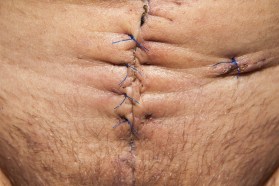
Scars can be a big pain though– literally! I have treated women who even after several years cannot tolerate pressure on a c-section scar. Men who have nice huge abdominal scars that ultimately contribute to problems with constipation. And moms who have discomfort near their perineal tears every time they have sexual intercourse.  The truth is that scar tissue is often something skilled physical therapists will evaluate and treat as part of a comprehensive program in men and women with pelvic floor dysfunction(and really, with any type of problem!). And the best part– treating scar tissue can make HUGE differences!

So, what is a scar? 

When there is an initial injury (and yes, a surgical incision is an “injury”), the body goes through three phases of healing: Inflamation, Proliferation and Remodeling. Through this process, the body creates scarring to close up the initial injury. Scars are composed of a fibrous protein (collagen) which is the same type of tissue that is in the tissue the body is repairing (i.e. skin, etc).  The difference, however, is that scars are not quite organized the same way as the tissues they replace, and they don’t really do the job quite as well. (i.e. scars are much more permeable to UV rays than skin is). Scars can form in all tissues of the body– even the heart forms scar tissue after someone has a heart attack (myocardial infarction).

How do scars lead to problems? 

After the inflammation and proliferation stage of healing, comes the remodeling. This stage can take months to years! During this time, the body is slowly adapting and changing the scar to the stresses on the tissue. Have you ever noticed that some scars initially are pink and raised and then over time become light/white and flat? That’s remodeling.  Ultimately, there are a few major reasons why a person might develop pain from a scar:

  • Adhesions: Scars are not super selective when it comes to tissues they adhere to. So, sometimes, scars will adhere to lots of tissues around them and this pull can lead to discomfort.
  • Sensitivity: Scars can become very sensitive for a variety of reasons. Sometimes, small nerves can be pulled on by the scar which can lead to irritation. Other times, people themselves will have a significant amount of fear related to the scar. This fear, can often make people avoid touching the scar, and that, along with what we know about how our brain processes fear and pain (See this post, this one, and this one), can lead to a brain that is veeerrrryyy sensitive to the scar. Along with this, muscles near scars can become tender and sensitive. This can occur due to the scar pulling on the muscle or due to the sensitive nerves in the area.
  • Weakness/Poor Muscle firing: So, we know that when our tissues are cut, the muscles around the tissues are inhibited (have you ever seen someone after a knee replacement? It can be quite a bit of work to get those muscles to fire immediately after surgery). That’s why it’s important to get the right muscles firing and moving once a person is safely healed. Moving the right muscles improves blood flow too which promotes healing.
  • Changing Movement: Painful scarring can lead to altered movement. We can especially see this with postural changes after c-sections or other abdominal surgeries, but movement patterns can change with scars all around the body. We also know that abnormal movement patterns over time can lead to dysfunction and pain.

op-103061_1920

What can we do about it? 

There are several ways physical therapists can help decrease pain from scars. Can we actually break-up/melt/eliminate scar tissue? I don’t really think so– honestly, scars are made from strong material and truly breaking up the scar is typically something that has to be done surgically– but most of the time, that is not necessary. We can decrease pain from scars by:

  • Improving the mobility of the scar: Gentle techniques to massage the scar and the tissues around the scar can facilitate blood flow to the area and decrease some of the pulling on the tissues around it. There is a thought as well that scar tissue massage can disrupt the fibrotic tissue and improve pliability of the scar (basically, help the scar organize itself a little better, and ultimately move better), and help to promote decreased adhesions of the scar to the tissues around it. Unfortunately, there really is not a lot of great research out there about scar tissue massage. However, this review published in 2012 found that 90% of people with post-surgical scars who were treated by scar massage saw an improvement in either the appearance of the scar or their overall function–which is very promising!
  • Desensitizing the scar and the nervous system: This is where I think we can make huge changes–both by improving someone’s worries/fears about the scar (calming the nervous system) and by slowly desensitizing the scar and the skin around the scar to touch. This is a slow process, but over time, many people who initially can barely tolerate pressure on the scar can be able to easily touch and move the scar without discomfort.
  • Promoting movement: So, we talked about how muscles can become inhibited or tender after a surgery? Part of improving scar tissue related pain is helping the muscles around the scar move well and learn to fire again. This can include some soft tissue treatment to the muscles to reduce the tenderness of the muscles, but ultimately leads to learning to use the muscles again in a variety of movement patterns. Movement is amazing for the body and can not only improve blood flow, but decrease pain too!

Wanna learn more? 

Several of my colleagues have written wonderful information about scar tissue! Check out this great, article and free handout by Kathe Wallace, PT on abdominal scar massage! My colleagues at the Pelvic Health and Rehabilitation Center have also written a few blogs on scars, which you can find here and here.

Have a great rest of your week!

~ Jessica

Urinary Urgency, Frequency, and Incontinence– What’s New in Research?

I’m sort of nerdy (you already knew that though, didn’t you!)… so periodically, I like to go to my favorite medical search engines to find what is new in the literature regarding all things pelvic health. This helps me to keep aware of new treatments that are available, and helps me to constantly re-evaluate the treatments I provide for patients to make sure I am providing the best treatment I can!

Urinary urgency/frequency, urge incontinence, and overactive bladder problems are often not as frequently discussed in physical therapy circles as stress incontinence. Surprisingly, pelvic PTs actually treat these problems equally as often, if not more! A comprehensive PT program can be extremely effective for these types of problems! (So, if you are having urinary urgency, frequency or overactive bladder problems, and you live near Atlanta, give me a call! :))

toilet-1033443_1280.jpg

So, what’s new in the research to help with overactive bladder problems and urge-related incontinence?  

  1. Myofascial release techniques can be very helpful for patients with urinary urgency and frequency. I was pretty excited to see this study come out in the Journal of Female Pelvic Medicine and Reconstructive Surgery. Pelvic PTs have noticed for quite a while that many men and women with urinary urgency  and frequency actually tend to have hypervigilant overactive pelvic floor muscles rather than the traditional weak and stretched out muscles people like to think they have. Manual therapy, included within a comprehensive rehabilitation approach, can be very effective for helping this population, and I’m excited to see a recent study supporting the same thing!
  2. Mindfulness-based stress reduction (MBSR) seems promising in helping to reduce symptoms of overactive bladder and urge incontinence.    I didn’t find this surprising at all, but was again, excited to see this coming out in the literature. If you see in my first note above, many people with urinary urgency and frequency actually have a “hypervigilant” or “overactive” pelvic floor muscles. Stress reduction and mindfulness techniques help to calm the whole body–pelvic floor included! Along with this, we often find that people with urgency/frequency problems tend to live in a more sympathetic nervous system dominated state (basically, the “fight or flight” response is in overdrive!). Calming this system can be very helpful in calming the bladder.
  3. Pelvic floor muscle training continues to be recommended as a first line treatment for stress, urge or mixed incontinence.  It’s true, the most updated Cochrane Review published in 2014 continued to recommend pelvic floor muscle training to assist in improving all bladder symptoms. Their review showed close to a 55% cure rate–which is pretty good, considering this was just retraining the muscles in isolation. Imagine what could happen when the right retraining of the pelvic floor muscle is combined with behavioral retraining, dietary training and retraining the pelvic floor within the body as a whole? I bet the results would be much much better.
  4. Percutaneous tibial nerve stimulation may help to reduce urinary frequency and urge-related incontinence. This started becoming popular a few years ago, and honestly, there needs to be more higher quality studies in order for us to really see how effective this treatment is or isn’t. But, that being said, some of the initial results seem promising. If you are not familiar with this technique, it utilizes a very thin needle which is placed near the ankle to stimulate the posterior tibial nerve with a low electrical current. The thought is that this nerve comes from the same level in the spinal cord that the nerves to the bladder originate, so stimulation could possibly help modulate an overactive bladder. (Similar concept to the Interstim treatment which stimulates at the sacral nerves, but less invasive) Looking forward to what the research shows on this treatment in the future!
  5. Losing weight can help improve bladder symptoms.  This is true for both urge related incontinence and stress incontinence (although, seems to help stress incontinence a bit more). In this particular study, 46% of the participants in the weight loss program achieved more than a 70% reduction in their incontinence symptoms. So, if you are overweight or obese, beginning a weight loss program may be a great first step toward improving your bladder function.

The great news is that we continue to learn more and advance in our understanding of helping men and women with these problems every day! What new research have you seen that is promising? As always, I’d love to hear from you!

**Note: I didn’t include medication in this list… not because I don’t think it’s effective or that the research is exciting, it really is! Mostly, because this is where my search took me this time around. The right medication can be a significant helper to many people having these problems– perhaps a future blog can talk about that! 🙂