Guest Post: Rib cage position, breathing and your pelvic floor

I am thrilled today to have my colleague and friend, Seth Oberst, PT, DPT, SCS, CSCS (that’s a lot of letters, right?!), guest blogging for me. I have known Seth for a few years, and have consistently been impressed with his expansive knowledge and passion for treating a wide range of patient populations (from men and women with chronic pain, to postpartum moms, and even to high level olympic athletes!) Recently, Seth started working with me at One on One in Vinings/Smyrna, which is super awesome because now we get to collaborate regularly in patient care!  Since Seth started with us, we have been co-treating several of my clients with pelvic pain, diastasis rectus, and even post-surgical problems, and Seth has a unique background and skill set which has been extremely valuable to my population (and in all reality, to me too!). If you live in the Atlanta area, I strongly recommend seeing Seth for any orthopedic or chronic pain problems you are having–he rocks! So, I asked Seth to guest blog for us today…and he’ll be talking about your diaphragm, rib cage position, and the impact of this on both the pelvis and the rest of the body! I hope you enjoy his post! ~ Jessica 

The muscles of the pelvic floor and the diaphragm (our primary muscle of breathing) are mirror images of each other. What one does so does the other. Hodges found that the pelvic floor has both postural and respiratory influences and there’s certainly a relationship between breathing difficulty and pelvic floor dysfunction. (JR note: We’ve chatted about this before, so if you need a refresher, check out this post) So one of the best ways we can improve pelvic floor dysfunction is improving the way we breathe and the position of our ribcage. Often times, we learn to breathe only in certain mechanical positions and over time and repetition (after all we breathe around 20,000 times per day), this becomes the “normal” breathing posture.

Clinically, the breathing posture I see most commonly is a flared ribcage position in which the ribs are protruding forward. This puts the diaphragm in a position where it cannot adequately descend during inhalation so instead it pulls the ribs forward upon breathing in. The pelvis mirrors this position such that it is tipped forward, causing the muscles of the pelvic floor to increase their tension. (JR note: We see this happen all the time in men and women with pelvic pain!) Normal human behavior involves alternating cycles of on and off, up and down, without thinking about it. However, with stress and injury we lose this harmony causing the ribs to stay flared and the pelvis to stay tilted. Ultimately this disrupts the synchrony of contraction and relaxation of the diaphragm and pelvic floor, particularly when there is an asymmetry between the right and left sides (which there often is).

Rib Flare PRI

Rib PRI

Jessica has written extensively on a myriad of pelvic floor issues (this IS a pelvic health blog, after all) that can be caused by the altered control and position of the rib cage and pelvis that I described above. But, these same altered positions can cause trouble up and down the body. Here are a few ways:

  1. Shoulder problems: The ribcage is the resting place for the scapulae by forming a convex surface for the concave blades. With a flared, overextended spine and ribs the shoulder blades do not sit securely on their foundation. This is a main culprit for scapular winging (something you will often see at the local gym) because the muscles that control the scapulae are not positioned effectively. And a poorly positioned scapula leads to excessive forces on the shoulder joint itself often causing pain when lifting overhead.
  2. Back pain: When stuck in a constant state of extension (ribs flared), muscles of the back and hips are not in a strong position to control the spine subjecting the back to higher than normal forces repeatedly over time. This often begins to manifest with tight, toned-up backs that you can’t seem to loosen with traditional “stretches”.
  3. Hip impingement: With the pelvis tilted forward, the femurs run into the pelvis more easily when squatting, running, etc. By changing the way we control the pelvis (and by association the rib cage), we can create more space for the hip in the socket decreasing the symptoms of hip impingement (pinching, grinding sensation in groin/anterior hip). For more on finding the proper squat stance to reduce impingement, read this.
  1. Knee problems: An inability to effectively control the rib cage and pelvis together causes increased shearing forces to the knee joint as evidenced in this study. Furthermore, when we only learn to breathe in certain positions, it reduces our ability to adapt to the environment and move variably increasing our risk for injury.
  2. Foot/ankle: The foot and pelvis share some real estate in the brain and we typically see a connection between foot control and pelvic control. So if the pelvis is stuck in one position and cannot rotate to adapt, the foot/ankle complex is also negatively affected.

So, what can we do about this? One of the most important things we can do is learn to expand the ribcage in all directions instead of just in the front of the chest. This allows better alignment by keeping the ribs down instead of sacrificing position with every breath in. Here are few ideas to help bring the rib cage down over the pelvis and improve expansion. These are by no means complete:

**JR Note: These are great movements, but may not be appropriate for every person, especially if a person has pelvic pain and is at an early stage of treatment (or hasn’t been treated yet in physical therapy). For most clients, these exercises are ones that people can be progressed toward, however, make sure to consult with your physical therapist to help determine which movements will be most helpful for you! If you begin a movement, and it feels threatening/harmful to you or causes you to guard your muscles, it may not be the best movement for you at the time. 

**JR Note: This squat exercise is very similar to one we use for men and women with pelvic pain to facilitate a better resting state of the pelvic floor. It’s wonderful–but it does lead to a maximally lengthened pelvic floor, which can be uncomfortable sometimes for men and women who may have significant tenderness/dysfunction in the pelvic floor (like occurs in men and women with pelvic pain in the earliest stages of treatment).

Here’s another one I use often from Quinn Henoch, DPT:

Our ability to maintain a synchronous relationship between the rib cage and pelvis, predominantly thru breathing and postural control, will help regulate the neuromuscular system and ultimately distribute forces throughout the system. And a balanced system is a resilient and efficient one.

Seth-Oberst

Dr. Seth Oberst, DPT is a colleague of Jessica’s at One on One Physical Therapy in Atlanta, GA. He works with a diverse population of clients from those with chronic pain and fatigue to competitive amateur, CrossFit, professional, and Olympic athletes. Dr. Oberst specializes in optimizing movement and behavior to reduce dysfunction and improve resiliency, adaptability, and self-regulation.


For more from Seth check out his website and follow him on Twitter at @SethOberstDPT

Yes, Men can have pelvic pain too.

Confession: I treat men. Lots of them. Seriously, I think my schedule is often about 30% men. This shouldn’t have to be a confession. You shouldn’t be surprised, or shocked by this, but you possibly are. I mean, my female patients are often surprised when they see a male walking out prior to their appointments. I’ve seen that same surprised look on a friend’s (or family member’s, or random person at the bar who happened to ask me what I do for a living’s) face. For some reason, pelvic floor problems are typically seen as a “woman’s problem,” and this is so so unfortunate. It’s unfortunate, because it means that many men feel embarrassed or awkward seeking help for a problem seen to be “unmanly.” It’s unfortunate, because SO many of the men I treat end up seeing close to 5-6 physicians, plus 2-3 physical therapists/chiropractors/acupuncturists, etc. before they actually end up in a place that offers them hope. And it’s unfortunate, because it means that many many men end up suffering with pain for way longer than they should. And this just has to stop. < Rant ended>

cycling-862278_1920

So, today, we’re going to talk about Pelvic Pain in Men. First, you should know that pelvic pain in men is not that uncommon. In fact, this study estimates that close to 1 in 10 men experience chronic prostatitis/chronic pelvic pain syndrome. Often times, pelvic pain is first diagnosed as prostatitis, and I think this happens because of where the pain is located. Prostatitis means inflammation in the prostate… but not all men with the diagnosis actually have inflammation present in the prostate. In all seriousness, I encourage men who are having pelvic pain and receive this diagnosis to ask for a culture. Make sure your prostate is really the one who should be blamed. In some cases, it is (like with bacterial infections). But, often times, these cultures come back negative. So ultimately if the pelvic pain doesn’t go away after a few months, men will often get the diagnosis of chronic nonbacterial prostatitis (which is now categorized as Type 3 chronic prostatitis) or chronic pelvic pain syndrome.

Now, you may be thinking, “Jessica, where are you going with all of this?” Well, these men are the ones I generally end up treating. They’ve had pelvic pain for a long time. Haven’t really responded that well to many medications. And still have pretty significant pain levels. <<Side bar: Today, we’re going to talk about the musculoskeletal aspects involved in pelvic pain in men; however, we never want to downplay the role that other systems and structures can play in pain. So, make sure you are working with a multidisciplinary team and are thoroughly evaluated medically.>>

The symptoms of myofascial pelvic pain in men can include the following: 

  • Pain (which can be sharp, dull, achey, burning, pulling, etc) localized to the lower abdomen, hips, buttock, anus, perineal body, penis, scrotum and/or tailbone.
  • Changes in urination, including urinary urgency/frequency, pain with urination, difficulty starting a urine stream, intermittent or slow urine stream, dribbling after urination and/or urinary leakage.
  • Changes in bowel function including constipation, difficulty emptying bowel movements, pain during and/or after bowel movements.
  • Changes in sexual function including premature ejaculation or erectile dysfunction and/or pain related to sexual function.

So, what can a physical therapist do to help a man with pelvic pain? 

Well, a lot. First, you should know that pelvic pain is complicated (I would argue that all pain really is) and when someone has been in pain for a long time, their pain experience becomes multifactorial. We know now that when a person has had pain for a long time, his or her brain changes the way it processes the signals from the area, and many people develop what we call “central sensitization.” This study found that this happens commonly in men with chronic pelvic pain, which should come as no shock to those of you who read my blog regularly. How exactly is the brain involved in all this? I’m not going to repeat myself here…but I will tell you, to stop here if you don’t know it already, and read this, this and this.

Ok, back to what we can do to help these men experiencing pelvic pain. Let’s break it down:

  • Identification of the musculoskeletal and neuromuscular structures involved: A skilled pelvic PT will perform a comprehensive examination to observe movement patterns and identify structures that could be a component of the pelvic pain experience (including neural, muscular and connective tissue)For many men with pelvic pain, the pelvic floor muscles can be some of those components. These muscles are actually fairly similar anatomically to the pelvic floor muscles in women (although different, of course!). These muscles can be evaluated externally via palpation or internally via the anal canal. Typically, assessing both ways is the best option as it gives us a comprehensive picture of what is happening from a muscular standpoint.


  • Nervous System (Brain) Training: I could really just stop here…because this is our primary and most important goal in physical therapy. This should (and will eventually) be a series of posts in itself.  Basically, we know that the brain protects a person against “threatening” areas, movements, etc. when a person is experiencing persistent pain. We want to slowly teach the brain that the areas it is protecting are no longer a threat. We want to widen the “safety net” of the brain to allow for more variability in movement, and we can do that through manual therapy, downtraining the nervous system(restoring breathing patterns, guided relaxations, stress management, etc), restorative exercise/movement, and lots of behavioral education.
  • Manual Therapy Techniques: Musculoskeletal structures are often significant components of chronic pelvic pain in men, like I mentioned above. This includes the pelvic floor muscles (both the external, superficial layer of muscles around the penis and perineum as well as the deeper layers of muscle) as well as the muscles around the pelvis (gluteal muscles, adductors, hip flexors, low back muscles, etc.). Many men will also have restrictions in connective tissue around the pelvis, as well as possibly decreased nerve mobility in some of the nerves around the pelvis. Manual therapy techniques performed both externally and internally help to restore tissue mobility, improve blood flow, and improve the movement of the spine and joints around the pelvis.
  • Improving Bowel, Bladder and Sexual Habits: As mentioned above, pelvic pain is often accompanied by bladder, bowel or sexual symptoms. Part of helping a client move toward better function means making sure that habits are supporting the best possible outcome. So, we look at everything from dietary habits, toilet positioning, sexual positioning/habits, as well as even sleeping habits to make sure we are addressing as many components of the “pain picture” that we can.
  • Restoring Movement Patterns:  As we have learned previously, movement patterns are often changed/adapted when a person is experiencing pain. Although this can be a helpful adaptation short-term, these adaptations can often contribute to problems as time goes on. So, our goal is to observe these patterns of movement and identify asymmetries or dominant patterns in order to add some variety to movement and improve the fluidity of movement patterns. Basically, we want to restore the large variety of movement that you used to have before you were dealing with pelvic pain.
  • Much, much more… I know, this is a catch-all subheading. But honestly, there is SO much more that we can do to help someone with pelvic pain depending on the specific case and it would be impossible to get it all in within one blog!

So, basically, what I’m trying to say is that if you’re a man who is having pelvic pain, it’s time to do something about it! I really do recommend seeking out a pelvic PT who is skilled in treating persistent pelvic pain, and comfortable in treating men (Come see me if you live in the metro Atlanta area!). And, if you’re a pelvic PT and don’t feel comfortable treating men? Then, I want you to read what I’m about to write with the kindest, gentlest undertones… It’s time to get comfortable. I’m serious, and I’m talking to you blog reader who only accepts female clients. I understand that some women feel awkward about this…but men need us! They’re hurting, and they need help, so I really think it’s time to get comfortable. Go to a course, seek out mentoring, or whatever you need to get comfortable…but I think we all need to take responsibility to start providing these men with the care they need!

Wanna read more? Check out these great posts by my colleagues on male pelvic floor problems:

As always, I love to hear from you! Please feel free to comment with any questions or thoughts about any of this! Let’s keep the conversation going!

Wishing you an early, happy Thanksgiving! 

~Jessica


Dyssynergic Defecation (or…when the poop just can’t get out)

plumber-2547329_1920

I’ll admit it… I like treating pooping problems. I know that grosses some people out, but it’s true. I think it’s because bowel problems really really impact people’s lives. I mean, pooping is a super basic human activity–so when it’s not working the way it should, it’s really awful.

I have recently had quite a few patients who are having difficulty evacuating their bowels. Now, there are multiple reasons why this could occur (I know, I’ve written about constipation a lot already, see here for evidence)–but today, we’re going to chat about one in particular, dyssynergic defecation or sphinctor dyssynergia.

What exactly is dyssynergic defecation? 

Basically, your pelvic floor muscles work with your colon reflexively. When your colon is contracting to push the poop out, and you are sitting on the toilet ready to empty your bowels, the muscles should relax and open to allow this to occur.  Sometimes, this relationship becomes dysfunctional, and basically, you think you are pushing and relaxing the sphinctor muscles, but instead, the muscles are contracting and closing the sphinctor. I know what you’re thinking– Jessica, I would know if I were actually contracting my muscles instead of relaxing them while I poop. But, no, you wouldn’t. In fact, many patients are shocked when I show them the actual coordination of their muscles.

frog-914131_1920

Typically, incoordination of the pelvic floor muscles is paired with poor coordination of the abdominal muscles, and often impaired sensation of the rectum. Dyssynergic Defecation is diagnosed typically by an anorectal examination, and anorectal manometry/defecography testing (like this, with an MRI, or by assessing muscle activity with EMG while the person attempts to expel a balloon, or other testing options)

Why does it happen? 

Dyssynergic defecation is very common in people who have constipation. In fact, this review suggested that close to 40% of people with constipation have this incoordination pattern. There are several factors that can contribute to dyssynergic defecation. This review estimated that close to 30% of adults with dyssynergic defecation patterns had constipation as children, and found that 46% had frequent straining to empty hard stool. But there are other factors that can contribute as well, such as:

  • pregnancy
  • traumatic injury
  • low back pain
  • history of sexual abuse/trauma
  • poor behavioral habits related to bowel health
  • nothing (like many other things, we sometimes just don’t know why it happens)

What are the signs and symptoms? 

As we discussed previously, dyssynergic defecation is extremely common amongst those struggling with constipation (typically meaning < 3 BMs per week, as well as symptoms of abdominal discomfort, bloating, and/or difficulty emptying bowels). This article looked at the most common reported symptoms of those with dyssynergic defecation, and found that many experienced the following:

  • Excessive straining to have a bowel movement
  • Feeling of incomplete evacuation after a bowel movement
  • Abdominal bloating
  • Frequent hard stools
  • Frequently utilizing digital maneuvers to empty stool (this means, using a finger to either help pull stool out of the rectum, or using a finger to press inside the vagina to help empty)

What can you do about it? 

The great news is that men and women (and kids too!!) with a dyssynergic defecation pattern can respond very well to conservative treatment! Pelvic physical therapists are typically the providers of choice when it comes to helping people with these problems, and work closely with GI and Colorectal Physicians to help these men and women. Treatment typically involves a few different components:

1. Developing amazing bowel habits. You know that has to be first on my list. If your bowel habits are not stellar, we can try to help your muscles all we want, but you will still have difficulties emptying. So, first things first, we need to make sure your dietary habits rock, you have a great bowel routine, and you know how to sit on the toilet in the most optimal way. Wondering what that toilet position is? Check out this sort of funny, mostly weird video by my favorite potty comedians and stool developers (pun intended), Squatty Potty.

2. Surface EMG Biofeedback training to improve muscle coordination: Biofeedback training uses surface electrodes placed at the anal sphinctor muscles and the abdominal muscles to identify the type of pattern a person uses to expel a bowel movement. Once we identify the pattern you currently use, we can work together to improve the pattern so that your sphinctor muscles relax when you generate abdominal pressure to empty your bowels. Seems pretty basic, right? But the right biofeedback training can make a HUGE difference–and the current research really supports this treatment for anyone with this problem. (See this article, this one, that one, and this one!)

3. Making sure your pelvic floor muscles are strong, FLEXIBLE, and well-coordinated. So, we’ve talked in detail about the pelvic floor muscles on this blog. Remember, we all want muscles that can contract AND relax. And, for dyssynergic defecation patterns, the relaxation component is extremely important! Often times, people who have difficulty relaxing their muscles to have a bowel movement tend to have tender, overactive pelvic floor muscles to begin with. So, treatment will also focus on improving awareness of the pelvic floor muscles, learning to relax the muscles (dropping and lengthening them), and often will include some manual therapy (yes, internal vaginal or rectal) to help reduce the tenderness and improve the mobility of the muscles.

4. Balloon retraining. People love hearing about this one… but it really is an awesome and effective treatment for so many men and women!! (Research supports it also– see here and here!) This treatment basically uses a small balloon that is attached to a catheter and is inserted into the rectum, and slowly inflated. Often times, people with dyssynergic defecation patterns have decreased sensitivity in the rectum, so they will not feel the presence of stool (or a balloon!) in the rectum when they typically should. Based on what we find initially, we can use the balloon to improve the sensation in the rectum. We can also use a slightly filled balloon to work on proper expelling techniques. I know what you’re thinking, Wow Jessica, this sounds like a super fun and awesome treatment. I know, but honestly, it’s very very helpful for people who need it!

Now, this just scratches the surface in terms of what all we pelvic PTs do to help with dyssynergic defecation. But, I wanted to get the conversation started! This tends to be a topic many people don’t talk about… in fact, I have had men and women travel SO far just to get the initial diagnosis! And, I need that to stop… hence this blog post today. Lastly, if you are having problems with constipation and think you may have this problem– Go see a GI/Colorectal Physician! Honestly, make an appointment today! And, contact your local pelvic PT. If you live in Atlanta or the surrounding area, give me a call! It’s time to get your bowels back in order (or even in order for the first time!).

I always look forward to hearing from you! So please, ask any questions or make any comments below!!

~ Jessica

You don’t have to just deal with your bowel problems! CLICK HERE to schedule a virtual consultation with our team today to start feeling better!

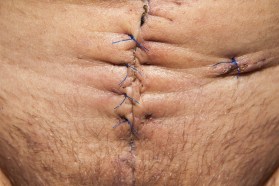
Painful scars? Yes, you can do something about it!


lion-1015153_1280

I can’t help it. Every time I think scar, I think… Scar (and yes, I used to have a much better picture of Scar from The Lion King for you…but I had to remove it in my attempt to make sure I’m not violating anyone’s copyright laws!)  I was going to try to think of some funny way to explain why scars and Scar are the same… but I can’t… I relate it to the 50,000 times I have watched The Lion King... so I’ll leave it at that.

Scars can be a big pain though– literally! I have treated women who even after several years cannot tolerate pressure on a c-section scar. Men who have nice huge abdominal scars that ultimately contribute to problems with constipation. And moms who have discomfort near their perineal tears every time they have sexual intercourse.  The truth is that scar tissue is often something skilled physical therapists will evaluate and treat as part of a comprehensive program in men and women with pelvic floor dysfunction(and really, with any type of problem!). And the best part– treating scar tissue can make HUGE differences!

So, what is a scar? 

When there is an initial injury (and yes, a surgical incision is an “injury”), the body goes through three phases of healing: Inflamation, Proliferation and Remodeling. Through this process, the body creates scarring to close up the initial injury. Scars are composed of a fibrous protein (collagen) which is the same type of tissue that is in the tissue the body is repairing (i.e. skin, etc).  The difference, however, is that scars are not quite organized the same way as the tissues they replace, and they don’t really do the job quite as well. (i.e. scars are much more permeable to UV rays than skin is). Scars can form in all tissues of the body– even the heart forms scar tissue after someone has a heart attack (myocardial infarction).

How do scars lead to problems? 

After the inflammation and proliferation stage of healing, comes the remodeling. This stage can take months to years! During this time, the body is slowly adapting and changing the scar to the stresses on the tissue. Have you ever noticed that some scars initially are pink and raised and then over time become light/white and flat? That’s remodeling.  Ultimately, there are a few major reasons why a person might develop pain from a scar:

  • Adhesions: Scars are not super selective when it comes to tissues they adhere to. So, sometimes, scars will adhere to lots of tissues around them and this pull can lead to discomfort.
  • Sensitivity: Scars can become very sensitive for a variety of reasons. Sometimes, small nerves can be pulled on by the scar which can lead to irritation. Other times, people themselves will have a significant amount of fear related to the scar. This fear, can often make people avoid touching the scar, and that, along with what we know about how our brain processes fear and pain (See this post, this one, and this one), can lead to a brain that is veeerrrryyy sensitive to the scar. Along with this, muscles near scars can become tender and sensitive. This can occur due to the scar pulling on the muscle or due to the sensitive nerves in the area.
  • Weakness/Poor Muscle firing: So, we know that when our tissues are cut, the muscles around the tissues are inhibited (have you ever seen someone after a knee replacement? It can be quite a bit of work to get those muscles to fire immediately after surgery). That’s why it’s important to get the right muscles firing and moving once a person is safely healed. Moving the right muscles improves blood flow too which promotes healing.
  • Changing Movement: Painful scarring can lead to altered movement. We can especially see this with postural changes after c-sections or other abdominal surgeries, but movement patterns can change with scars all around the body. We also know that abnormal movement patterns over time can lead to dysfunction and pain.

op-103061_1920

What can we do about it? 

There are several ways physical therapists can help decrease pain from scars. Can we actually break-up/melt/eliminate scar tissue? I don’t really think so– honestly, scars are made from strong material and truly breaking up the scar is typically something that has to be done surgically– but most of the time, that is not necessary. We can decrease pain from scars by:

  • Improving the mobility of the scar: Gentle techniques to massage the scar and the tissues around the scar can facilitate blood flow to the area and decrease some of the pulling on the tissues around it. There is a thought as well that scar tissue massage can disrupt the fibrotic tissue and improve pliability of the scar (basically, help the scar organize itself a little better, and ultimately move better), and help to promote decreased adhesions of the scar to the tissues around it. Unfortunately, there really is not a lot of great research out there about scar tissue massage. However, this review published in 2012 found that 90% of people with post-surgical scars who were treated by scar massage saw an improvement in either the appearance of the scar or their overall function–which is very promising!
  • Desensitizing the scar and the nervous system: This is where I think we can make huge changes–both by improving someone’s worries/fears about the scar (calming the nervous system) and by slowly desensitizing the scar and the skin around the scar to touch. This is a slow process, but over time, many people who initially can barely tolerate pressure on the scar can be able to easily touch and move the scar without discomfort.
  • Promoting movement: So, we talked about how muscles can become inhibited or tender after a surgery? Part of improving scar tissue related pain is helping the muscles around the scar move well and learn to fire again. This can include some soft tissue treatment to the muscles to reduce the tenderness of the muscles, but ultimately leads to learning to use the muscles again in a variety of movement patterns. Movement is amazing for the body and can not only improve blood flow, but decrease pain too!

Wanna learn more? 

Several of my colleagues have written wonderful information about scar tissue! Check out this great, article and free handout by Kathe Wallace, PT on abdominal scar massage! My colleagues at the Pelvic Health and Rehabilitation Center have also written a few blogs on scars, which you can find here and here.

Have a great rest of your week!

~ Jessica

5 Ways to Decrease a Flare-up on Vacation

It never fails. Around this time of year, many of my patients are traveling, going on fun vacations (just like me! Yep, I was away last week– sorry for the lack of posts!), and the pelvic floor never seems to love that. Unfortunately, vacations for many mean a flare-up of symptoms–worsening of pain from sitting for long car or plane rides, constipation, or other unpleasant feelings. This seems to happen like clock-work. But the good news is, vacationing doesn’t have to be the start of a bad flare. You don’t have to be afraid to go on vacation. In fact, there are a few since steps you can take to reduce and manage the vacation blues.

bahrain-1369259_1920.jpg

 1. Pack your toolbox.  One of the big ways you can reduce the likelihood of a flare, is to plan ahead and pack the necessary tools that normally help you.  Do you normally take a fiber supplement daily to manage the bowels? Pack it. Use an ice pack when you start feeling pain? Pack it. Listen to a progressive relaxation CD or youtube video before bed? Make sure you bring it along!  The more you plan ahead, the better it will be if you do start having pain or see a change in your bowel/bladder symptoms.

2. Keep your bowels in check.  Now, some of you are probably thinking, “I have pain Jessica– not bowel problems!” BUT, keeping the bowels in a routine is so important for ANY pelvic floor problem. A bout of constipation can increase bladder leakage or worsen pelvic pain. Unfortunately, constipation is very common while traveling.  One of the main reasons for this is that most of us significantly change our habits when we travel. For example, I normally start my day with a protein shake and a piece of fruit—but on vacation, I will have french toast, or a big omelet, cheese danishes, and other larger, richer breakfast options. Delicious, right? But the bowels don’t love the change. The best thing we can do for our bowels while traveling is to stay consistent. Remember, your bowels love a good routine, so try to eat similar meals that you normally eat at similar times! Keep up with fiber or supplements to maintain a good consistency, and don’t forget your fluid intake!! For more tips for bowel health, check out my previous posts here.

3. Stay consistent with your routines. Yes, we just hit on this with the bowels, but this is equally true with the other routines you use to manage your pain or other problems. Vacation is a great way to relax, but many people will find they drop their helpful habits while traveling.  Sometimes this may mean waking up a few minutes earlier in order to get your morning stretching in, or perhaps taking a break in the afternoon to use an ice pack, or maybe even setting an alarm to make sure you do your exercises–but these small steps can really do a lot to decrease the risk of a symptom flare!

frog-1251573_1920.jpg

4. Pace yourself. This one is most important for those dealing with pelvic pain. We know that movement is medicine for persistent pain, and a vacation is often a very motivating time to move! That being said, it is important to gradually add movement and take breaks as needed to allow your body time to rest and adapt to a higher level of activity. I often will see men and women who may be very sedentary in their day-to-day lives, but then, go on vacation and want to be on-the-go 24-7! It is a much better alternative to try to slowly increase your activity, giving yourself adequate time to rest based on your prior activity level and what your body needs. For example, if you are normally inactive, it may be helpful to plan an activity for a few hours in the morning, but to plan for a resting period after that (great time to ice and do your stretches!). If you have several activities you would like to do, consider making a list and spacing those activities out over the days you are traveling.

5. Try not to freak out.  I get it. Flares are scary–especially when you’ve been seeing progress and have been feeling great! But, don’t let it get the best of you! Remember to see a flare for what it really is– a flare.  Keep your mindset positive, use the tools you have, and you will be back to vacationing in no time! And if you feel like you need a boost, contact your pelvic PT (we really don’t mind!). We’re always happy to talk through some strategies to calm things down, and are happy to help get you back to relaxing! 🙂

What strategies do you use to decrease a flare on vacation? PTs out there– are there any other tips you like to give your patients? Let me know in the comments below!

~ Jessica

Pelvic Floor Problems in the Adult Athlete: Pelvic Floor Muscle-related Pain

I love the changes I’ve seen in our culture over the past 10 or so years. Healthy foods? Regular exercise? Joining gyms, boxes, studios, programs? This has become the norm for many people—and, that is so awesome! I love to see people being more active, taking responsibility for their health, and really striving to care for their bodies throughout their lifespans.

However, with this change and shift toward more activity, I have started seeing some pelvic problems become more common. And I don’t blame the exercise—I really don’t! I will stand firm in my belief that there is no such thing as a bad exercise—but all exercises require proper form and performance.  Sometimes when we consistently perform exercises that we may not be able to do correctly, problems can creep in.  I don’t see this to scare anyone off from exercises– please don’t think I mean that! But I think it is important to remember that Pain is never normal. Bladder leakage? Bowel problems? Sexual pain? Also never normal. 

So, the next two posts are going to address two of the major things I am treating regularly in higher level athletes. Today we are going to talk about Pelvic floor muscle pain, and next week I will post about stress incontinence. Let’s get started.

Pelvic floor muscle-related pain

What is it? This problem occurs when the muscle of the pelvic floor become tender, overactive or hypervigilant(basically contracting with too much intensity to guard/protect the pelvis) Often when this happens, people will feel pain in the lower abdomen, groin, hip, buttock or low back—or may feel actual vaginal/rectal pain. The pain may also be associated with changes in bladder function (like increased urinary frequency, urgency or leakage), bowel function (like constipation or difficulty emptying bowels) or sexual function (typically pain or discomfort during intercourse.) However, sometimes people will experience pain without any of these other symptoms at all.

1115_Muscles_of_the_Pelvic_Floor
Image attributed to Open Stax College. CC https://commons.wikimedia.org/wiki/File:1115_Muscles_of_the_Pelvic_Floor.jpg

Why does this happen? This is the kicker–We don’t always know exactly why. However, there are some common reasons why the pelvic floor muscles might begin responding this way. First, we have to remember that the pelvic floor is just one part of a team of muscles that work together to modulate pressure within the abdomen and pelvis. So, the diaphragm, transverse abdominis, multifidus and pelvic floor work together to control intra-abdominal pressure, and pre-activate to support the spine and pelvis during movement.

Dysfunction in any one of these muscles can lead to problems with others. For example, I often find tender, irritated muscles in women after childbirth, especially those who have a diastasis rectus (separation at midline between the two rectus abdominis muscles). This separation impacts the stability at the abdominal wall, generally leading to gripping of the internal and external oblique muscles, alterations in ability to breathe optimally, and thus gripping at the pelvic floor muscles. We see a similar pattern occur in men and women with hypermobility. We can also see dysfunction creep in as a motor adaptation when someone has a history of low back, hip, neck, knee or other musculoskeletal problems.

In terms of athletes in particular (and yes, this includes those of you doing Crossfit, Barre, personal training, yoga, pilates, and other regular exercise— YOU are an athlete J), I often find that when a person lacks dynamic stability, the pelvic floor will compensate to give that stability. If a person is then doing regular exercise and does not have the adequate control, form, or force modulation to perform, these compensations become more prevalent and can then lead to pain.

What can you do about it? If you think your pelvic floor may be a contributor to pain, the first step is to seek evaluation. It can be helpful to initially seek a medical evaluation to rule out other potential pain contributors (ovarian cysts, inguinal hernias, etc.). Then, I do strongly recommend seeking an evaluation by a skilled physical therapist with advanced training in pelvic health. If you are living in a state that allows self-referral to physical therapy (like Georgia!), you can see a physical therapist without a physician referral; however, if in doubt, check with your local physical therapy office.

Treatment for pelvic floor related pain in athletes typically focuses initially on re-establishing the optimal function of the pelvic floor muscles within the team of muscles we spoke about earlier. This is done by teaching the patient how to relax the pelvic floor muscles, use the amazing diaphragm in the proper coordination with the pelvic floor and abdominals, and often includes manual therapy to help reduce muscle tenderness and/or improve connective tissue or neural mobility around the pelvis. A skilled pelvic floor PT will not only assess the pelvic floor muscles, but will examine you from a whole-body perspective—watching you move in various motions, looking at your hips/back/knees/ankles and assessing the soft tissues that could be contributors to your symptoms. This allows us to not only identify which tissues are contributing to the pain you experience, but also to identify any abnormal movement patterns which could be leading to the compensation in the first place.

Once the pelvic floor muscles are no longer hypervigilant/tender/overactive, we focus on restoring healthy movement. This includes integrating the pelvic floor and its team within those movements—the right way!  Typically at this point, we progress the athlete to his or her specific movements—whether that is Olympic lifting, squats, or a yoga warrior series—teaching the athlete proper form all while integrating the right muscle firing patterns to adequately stabilize.

fitness-594143_1920.jpg

Do I have to stop exercising while in PT? This is always a tough one. I totally recognize that many adult athletes love their work-out routines and benefit so much by them—physically, socially, and emotionally. Sometimes there will be particular exercises that are aggravating symptoms or worsening the problems the person is experiencing. In those cases, I often will recommend holding off on those movements for a short time period. While holding off on some exercises, we often can still work together to find exercises and movements that are appropriate and totally acceptable to keep performing! I know this period can be frustrating for patients as it is difficult to take a break from something you love, but I promise, it’s short! Our goal ultimately is to get people back to the activities they love as quickly and safely as we can!

If you are having pelvic pain during exercise, and you live in the Atlanta area, I would LOVE to see you! Feel free to contact me or call my office for more information!

I always love to hear from you! Please let me know if you have any questions or feel free to chime in if I left something out! Happy Thursday!

~Jessica

Do we move differently in pain?

For the past few years, my studies in pelvic health have taken me further and further outside of the pelvis.  I have learned and continue to learn how amazingly interconnected our bodies actually are. The pelvis can be influenced by the ankle, the knees—and even the neck! It is amazing and awe-inspiring. This past weekend, my studies took me to the Level 1 Selective Functional Movement Assessment (SFMA), where I spent 2 days learning a systematic way to evaluate movement and identify where dysfunctional patterns exist—head to toe! (How awesome is that?!) There are many different systems and programs out there for evaluating someone’s movement, and honestly, I don’t necessarily think one is superior to the other. I liked this one though, as it made sense to me and the initial screen could be completed in 2 minutes :).

athletic-girl-1388572_1920

So, why is it important to look globally at human movement when a person is experiencing pain anywhere in the body? For lots of reasons, like I said above—but for the purpose of today’s post—because we now know that movement patterns do really change when a person is experiencing pain—and this is helpful initially and important—remember, your brain wants to protect you from experiencing harm! However, dysfunctional movement patterns, although helpful to the body in that moment, can persist and lead to further problems down the road.

Paul Hodges (a favorite researcher of mine!) and Kylie Tucker examined the current theories regarding movement adaptations to pain in a 2011 review published in the International Association for the Study of Pain. They looked at the current research regarding movement variations in pain, and frankly poked holes in the theories where holes needed poking.  They then presented a new theory on the motor adaptations to pain, and that’s what I would like to share with you today.

The theory they presented is based on the premise that movement adaptations occur to reduce pain and protect the painful part. The way in which a person does that actually varies and is flexible. Here are the basics of their theory, simplified, of course. I do encourage you to read the paper if you’re interested—it’s great!

  • Adaptation to pain involves redistribution of activity within and between muscles. Basically, the brain varies which pools of motoneurons fire in a muscle based on the individual and the task requirement. The common goal still is to protect the painful part from pain or injury, but the way the body does this can vary greatly. Interestingly, we know that the motoneurons active before and during pain tend to reduce activity, and the production of force actually seems to be maintained by a new population of units who were previously inactive. Normally, motoneuron units are recruited from smaller to larger pools to allow for a gradual increase in force—but in pain, a person often will have earlier recruitment of larger pools to basically allow for a faster development of force to get away from pain (think fight or flight response!). Also, the new population of active units may be altered to change the direction of the force generated by the muscle (again, aiming to help protect the painful structure). We also can see in some areas, like the trunk, that one muscle may become inhibited (like the transverse abdominis) while other larger muscles become more activated. This again, makes sense with the body’s goal of protection. Quick activation of larger motor units allows for a quick activation of a muscle to help protect and escape pain.
  • Adaptation to pain changes mechanical behavior. Basically, like we just discussed, the redistribution of activity within and between muscles changes the force and output of the muscle. Hodges & Tucker give us a few examples of this. First, they’ve found that when someone has knee pain, the quadriceps muscles fire differently to change the direction of knee extension by a few degrees. They also explain that the changes in muscle firing in the trunk muscles in someone with back pain leads to more stiffness and less control of movements and less anticipatory action. Basically, in each of these cases, the big picture motion stays the same, but there are small changes within how the body accomplishes those tasks.
  • Adaptation to pain leads to protection from pain or injury, or threatened pain or injury. Basically, this redistribution of muscle firing is done to protect against pain—or even the threat of pain. When a person experiences pain, the brain choses a new pattern to move to either splint the injured area, reduce the movement of the area, or alter the force on the area. The interesting piece here is that the body responds this way even when there is a perceived threat of pain! The key with all of this is that the adaptation varies significantly—not one pattern is seen for all types of pain, but the nervous system has a variety of options for protection!
  • Adaptation to pain involves changes at multiple levels of the motor system. So, although we know that the activation of motoneuron pools can change during pain, that alone does not describe the variability we see. We know now that the way the body changes movement can be influenced by structures in the brain, spinal cord or at the local level of the motoneuron. All of this is going to be influenced by the task at hand and the individual (thoughts about the pain, emotions, stressors, and previous experiences)
  • Adaptation to pain has short-term benefit, but with potential long-term consequences. Although the short-term benefit is protection of the painful area and prevention of further pain, this may lead to consequences down the road if the adaptation persists. Of course, we assume in this case that movement in a non-pain state is likely the most efficient and optimal way to move. So, changes over time could produce decreased movement variability, modified joint loading, modifications in walking patterns, joint load and ligamentous stress. Hodges and Tucker state that in order for these long-term consequences to occur, there would likely need to be a gradual maintaining of the compensation, thus that the nervous system did not recognize it being problematic. Basically, the brain slowly adapts to the new pattern and does not recognize the problems it could cause down the road.

Interesting stuff right? The tricky thing is, we don’t really know for certain how these long-term changes can impact the body—but we do know that one of the biggest risks for injury is previous injury. I can’t help but think that movement changes could possibly contribute. But how do we change this in a positive way?  I think the first step is understanding pain, learning what pain is and what pain is, and developing a healthy mindset toward pain—this alone goes a long way! We also have to look closely at our own emotions, our psychological state, our previous experiences, and understand how all of these things can influence how are brain chooses to respond to pain. But then, we need to identify which movements the body has changed, understand how the brain is varying movements to protect against pain, and then slowly provide variability with good force modulation in those movements to help the brain learn optimal, safe and pain-free ways to move again.

What do you think? I’d love to hear from you in the comments below!

Cheers!

Jessica

What’s new in pelvic health? Reading homework included.

I love reading blogs about pelvic health, the human body, chronic pain, movement, neuroscience–and especially get excited if these things get combined together. Periodically, I’d love to simply do a blog on blogs, so that is what you get today. Basically, it is a quick list of blogs, journal articles, random articles, and possibly books that I am reading right now. There are SO many great things out there. I hope you enjoy, and have a great friday! 🙂

adult-18598_1920

1. The Pudendal Neuralgia Wrecking Ball. Of the different diagnoses in the chronic pelvic pain world, pudendal neuralgia is often a scary one for a patient to hear. Not because it’s untreatable–it IS treatable. But simply, because , and unfortunately, many patients with this type of problem (like SO many other problems related to pelvic pain) are often misdiagnosed many times before receiving help and assurance, and often find scary and less than assuring things when researching online (leading to high levels of worry and fear).  So, this article on US News and Reports came out recently. As pelvic PTs, we always love to have big news websites post information to bring awareness to pelvic pain problems. But we took some issue with exactly how that was done and some of the information which was provided…which lead to this excellent response by Stephanie Prendergast, PT of the Pelvic Health and Rehabilitation Center in California (If you don’t follow their blog, you really should! They consistently put out fantastic, high quality information.) And then, led to this response by Sara Sauder, PT, who writes her own blog, focusing all on pelvic pain (it’s great too!). Read these posts–they have great information in them!

2. Can’t Get Enough of the Diaphragm. March was really the month of the diaphragm. Not only did you get my post on the 6 reasons why the diaphragm is the coolest muscle ever, but Ginger Garner (who also has a great blog with a big emphasis on women’s health) went into great detail on this post, expanding on how important the breath really is. I’ve written a lot recently on the importance of breathing with movement and coordinating the breath with other muscle activation, but is holding the breath ever a good strategy? Julie Wiebe gave great insight into that in this post here. (And you know Julie posts awesome stuff!).

3. Movement Variability. As humans, we are designed for movement. Typically when people have pain, their movement patterns become more rigid, and they can often develop alterations where their bodies are guarding movements by pain. Retraining slow, controlled motions with a lot of variations is an important component of treatment! For those without pain, movement variety is key to keeping healthy bodies! That’s why I loved this post by Katy Bowman (my favorite biomechanist) on sitting variations while playing with her child.

4. Share MayFlowers: Women’s Health Awareness. My list would not be complete without a shout-out to Jessica McKinney’s excellent work with Share MayFlowers. SMF is a public health initiative aimed at improving awareness in Women’s Health, and Jessica has been posting excellent information all month long! She highlights women who are doing fantastic things to support WH initiatives, and links to great blogs, articles, etc. out there! A few of my faves from this month are this New York Times article which discussed an innovative form of sex education for adolescents, and this post, bringing awareness of obstetric fisulas.

Hope you enjoy! Now it’s your turn– what are you reading? I’d love to hear in the comments below!

Do men have pelvic floors too? The truth about 10 common pelvic myths

Earlier this week, I asked the Twitter and Facebook PT world a simple question:

What are the common misconceptions you hear about the body?

question-423604_640

My initial goal was a fun blog post on common misconceptions about anatomy, etc…but I was not prepared for the huge response I received—over 40 responses with SO many different things that people often misunderstand! Some pelvic, some general—and it made me realize there is SO much bad information out there!! So, what once was one post will become two. Today, we’ll hit on 10 common myths related to the pelvis (you knew I’d start there!). Then stay tuned for a future post hitting other misconceptions related to…well… the rest of the body, fitness, wellness, pain etc.  So, here we go:

1. Men don’t have pelvic floor muscles: They do, I promise. And guess what? The anatomy is not quite as different as you would think! The same muscles that contribute to urinary, bowel and sexual function as well as lumbopelvic stability in women do that in men too. Pelvic PTs treat men with incontinence, pelvic pain, constipation, painful sexual intercourse and much more.

 2. Vaginas need a lot of work to keep clean. No, they don’t. The Vulva (vagina really just refers to the canal itself) is actually self-cleaning. It does not need to be scrubbed with soap. You can totally just shower and run water over it, and it will be just fine. In fact, scrubbing the vulva can irritate it and even kill the good bacteria that prevent infections! I could say so much more, but you really should just read this article on Pelvic Guru by Sara Sauder, PT and this one by Dr. Jen Gunter.

 3. Abdominal pain is always caused by organ problems. Not necessarily. Now, don’t get me wrong, abdominal pain can definitely happen with ovarian cysts, appendicitis, constipation, and much more—but abdominal pain can also happen when the organ is not to blame. This is so common in men and women with chronic pelvic pain. These people often will have very sensitive nervous systems, tender muscles around the pelvis and in the pelvic floor, as well as even neural irritation (lots of nerves run through the abdominal wall!). So, if the organ has been ruled out as a source of pain and the pain persists- it may be worth considering something different.

4. Not having enough sex OR having too much sex OR masturbating too frequently causes pelvic pain. I cannot tell you how many times I have had a patient timidly ask me if there sexual habits or frequency are to blame for their pain. No. Just no. You should be able to have sex as little or as frequently as you want without any problems or pain. Now, being forced to have sex—that may cause a strong protective response of the pelvic floor muscles. But, consensual sexual activity is normal and should be enjoyed by all without worrying about pain. And if you are having pain? Don’t ignore it– go talk with your physician or physical therapist!

 5. Tight pelvic floor muscles are healthy pelvic floor muscles. Guess what? Tight ≠ strong. Flexible ≠ weak. Strong ≠ Well-timed. Functional pelvic floor muscles are non-tender, flexible muscles that are able to activate when they should activate (well-timed). We want the pelvic floor to stretch to allow you to poop and have sex, and we want the muscle to activate at the right time with enough strength to help you not leak urine when you cough.

6. If the doctor says “all looks good” 6 weeks after having a baby, it means your body is completely back to normal. Newsflash here, you’re body isn’t really going to go back to being exactly what it was like before the baby. It’s not meant to, and that is ok! It can still be an awesome, strong and well-functioning body– but you do need to take care of it. Remember that urinary or bowel leakage, constipation, persistent low back/pelvic pain, vulvar pain, and pain with sexual activity are NOT normal. If “all looks good” at 6 weeks, but you are having these problems, find a skilled pelvic PT near you to get evaluated and get some help! And even if you are not having these issues—your body has been through a lot! Take time and care in slowly getting your body back into good movements. Also, check out this article by Ann Wendel, PT on 5 myths surrounding the pelvic floor after pregnancy.

 7. If a woman had a c-section, her pelvic floor was not impacted, and she doesn’t need to think about it. Guess what the biggest risk factor for urinary incontinence is? PREGNANCY. Although mode of delivery is important, simply being pregnant and carrying a baby puts significant pressure on the pelvic floor. Both vaginal deliveries and c-sections impact the body—remember, a c-section cuts through the abdominal wall! Remember that team of muscles that work together for lumbopelvic stability? The abdominal wall is a KEY member. Regardless of your mode of delivery, seeing a skilled physical therapist after having a baby is crucial to help your musculoskeletal system function optimally, manage unwanted pain or leakage, and get back to the fitness activities you enjoy. And guess what? It’s standard care for all ladies postpartum in many countries around the world.

op-103061_1920

8. Urinary incontinence is always due to a weak pelvic floor muscle group. I wrote a whole blog on this one, so I recommend you read it here. The short answer is, No. No problem is due to solely one muscle. Our body is a system, and we have to always treat it like that.

 9. Hips and sacrums dislocate regularly in some people. This is such a common one too—I’ll have patients come in and say, “My hip keeps ‘going out’ and I have to do this <does weird hip movement> to put it back in.” OR “My SI joint keeps ‘popping out of place.’” Let’s all be honest about this- dislocations of joints do happen, but it tends to be pretty painful, likely traumatic, and if your hip dislocates, you bet you are going to the ER. That “pop” you hear? It’s likely just a joint cavitation- basically a decrease in pressure causes dissolved gasses in the joint fluid to be released into the joint. Same thing happens when you pop your knuckles. If it happens frequently and is associated with pain, talk with a physical therapist.

10. Sucking in the stomach constantly creates a strong “core” and a flat abdomen. You know what creates a flat abdomen? Eating healthy and exercising regularly. Contracting any muscle constantly is not functional, nor does it really do what we want it to do. Sucking in the stomach actually tends to make it more difficult for your diaphragm to move well when you breathe and also can cause the pelvic floor muscles to over contract and become tender/uncomfortable. It can also inhibit movement, and we know moving well with variety is SO key to a happy body. So, relax your stomach and allow yourself to breathe (remember how important that diaphragm is!)

I hope you gained a little insight with this list—it was fun to write! This is by no means an exhaustive list (over 40 responses, remember?), and I’d love to keep the conversation going! Special thanks to my world-wide pelvic health team! It’s so fun collaborating with such a great group!

Have you heard anything else about the body that does not seem to be right? Ask here and we’ll do our best to answer! Physical therapists out there—what are your other favorite myths to de-bunk? Let’s all work to spread accurate knowledge—knowledge really is power! Have a great Wednesday!

~ Jessica

A Pain in the Tail…bone (Part 2: Treatment)

“Due to the dearth of research available and the low levels of evidence in the published studies that were located we are unable to recommend the most effective conservative intervention for the treatment of coccydynia. Additional research is needed regarding the treatment for this painful condition.” 

This statement comes from a 2013 systematic review on conservative treatments for coccydynia… isn’t it so encouraging? We discussed what coccyx pain meant, the causes, and the examination approach last week in Part 1 of “A pain in the tail…bone.”  Today’s post will take a close look at my approach for treating people with tailbone pain and what we do know in the current research. Unfortunately, as you see from the comment above, research for the best treatment for tailbone pain is significantly lacking…so we’ll have to rely on my clinical experience as well as the knowledge from courses I have attended and practitioners I have collaborated with in the past.

So, what should treatment for tailbone pain include?

1. Pain reducing strategies: Day one of treatment should always include recommendations for reducing pain by changing some basic daily habits. Typically, this includes:

  • Cold packs/hot packs: Basic, I know, but they feel good and can help a sore coccyx feel better after a long day. I prefer ice, but others prefer heat. I recommend using for about 10-15 minutes, a few times per day or as needed. Recent recommendations always include using cold/heat as needed.
  • Alignment, & Cushions when needed: Alignment, especially in sitting, is very important for reducing pressure on the tailbone in the initial phase of treatment. Slumpy postures actually put more pressure against the tailbone and neutral postures distribute weight to the bony parts of our pelvis more evenly. Along with this, firm comfortable chairs tend to support a more neutral posture, but cushy couches or chairs usually promote a more slumped posture. As I mentioned in my previous post, many people with tailbone pain tend to develop a side-twisted sitting posture. It makes sense– they’re trying to unweight the tailbone–but over time, this “wonky” sitting can lead to low back pain, and that’s not fun for anyone! So, we need to learn to sit up comfortably, and a good tailbone cushion can be a helpful tool for that. Note: Donut cushions don’t tend to help as much with tailbone pain unless the pain is totally referred from the pelvic floor musces. These unweight the perineum due to the center cut-out, but they don’t unweight the coccyx.  A cushion that has a back cut-out, like the ones pictured tend to be more helpful.
  • Coccyx cushion from Amazon.com

    Aylio Seat Cushion
  • Body Scanning or “Check-ins”: Many people with tailbone pain will clench muscles around the tailbone as a protective strategy–usually the glutes and the pelvic floor to be precise. As we discussed previously, these muscles can refer to the coccyx, so it is important that we decrease this hypervigilant clenching pattern. I typically recommend scanning the body, or checking-in, a few times a day to feel if muscles are clenched hart or relaxed. If you feel any clenching, try to drop the muscles and allow them to let go.
  • Pelvic Floor Drops: As mentioned previously, many people with coccyx pain have tender and over-contracting pelvic floor muscles. Pelvic floor drops are exercises that encourage a completely relaxed pelvic floor. Typically, these pair well with breathing exercises as functional diaphragm use can encourage appropriate pelvic floor relaxation.
  • Stretches: My favorite stretch for someone with coccyx pain is what I call “The frog.” This stretch not only helps to stretch out the buttock muscles, but also is a position of optimal relaxation for the pelvic floor! This is often done with a person lying on their back with knees pulled up to chest and held open. Alternatively, a wide kneed child’s pose can also promote relaxation for the muscles. Other stretches to open the pelvic or stretch the muscles around the pelvis can also be helpful–but this one is my go-to on day 1.
mark-zamora-1412579-unsplash
Photo by Mark Zamora on Unsplash. Arms can be reached out in front. You can also place a pillow underneath you while you lean forward if that is more comfortable

2. Manual Therapy Techniques: The goal of manual therapy should be to decrease soft tissue sensitivity/pain and to improve the mobility of the coccyx, SI joint and low back if indicated. Typically we do the following:

  • Soft tissue treatments: This should not be a horribly painful experience! Skilled clinicians can help to improve sensitivity and tender spots in the buttocks, hips, low back muscles and pelvic floor muscles. For the pelvic floor, this can be done externally, vaginally (in women) or rectally. Specifically, the coccygeus, iliococcygeus, pubococcygeus and obturator internus muscles should be evaluated and treated. Sometimes dry needling can be helpful also in reducing soft tissue sensitivity.
  • Coccyx Mobilization: The coccyx can be mobilized some externally with a person in sitting (I use what is called the “closed-drawer technique” here). The best way to mobilize the coccyx is with internal rectal treatments. Internal rectal mobilizations or manipulations can include direct mobilization into flexion or extension, distraction of the coccyx and mobilization into sidebending. The most recent review I found published in 2013 found 3 studies looking at intrarectal manipulation for coccyx pain and all of them did show some improvements in pain for patients…but from a research standpoint, 3 studies is hardly anything and to be honest, the studies weren’t that good. So, we’re stuck with some of my clinical opinion 🙂 I believe intrarectal mobilization can be hugely beneficial for patients! And, I shouldn’t have to say it–but it should always be done by someone trained and skilled in performing it.
  • Lumbar & SI treatment: I highlighted in part 1 that many men and women would tailbone pain often have low back and SI pain as well. In these cases, these areas should be addressed and treated through manual therapy techniques as well as specific exercise recommendations

I often will also use a little bit of taping to help support what I do manually and give my client some input on what I want their bodies to do. I like kinesiotape the best for this and use a few different techniques depending on the person. McConnel tape can also work well.

3. Retrain the Nervous System: Our brain rules– remember, pain is our brain’s alarm system to tell use there is a problem and to protect. A person who has had coccyx pain for a long period of time may develop a sensitized nervous system–and it is so important that this be addressed! So as not to re-invent the wheel, you can read more about it in my previous post reviewing the book, Why Pelvic Pain Hurts, and in my previous post summarizing my presentation to the Atlanta Interstitial Cystitis Support Group. 

Side-note: Pain neuroscience is currently not discussed often enough in the research regarding treatment for coccydynia. I think this is a huge problem–we know that experiencing pain for a long period of time truly impacts the nervous system and we can’t ignore that! This case study showed 2 patients treated for tailbone pain–one was acute, treated immediately and got better quickly. The second had pain for over a year before being treated and did not get as good results– could this “brain retraining” be the missing piece? I think it can’t be ignored.

4. Manage Bowel, Bladder and Sexual Problems: Remember, the pelvic floor muscles attach to the tailbone, so it is so common for people with tailbone pain to notice bowel, bladder or sexual symptoms.  This should always be addressed with good behavioral education and appropriate treatment techniques. I’ll leave it at that…because each one could be a few blog posts in and of themselves.

5. Return to Normal Function: I talk about this in almost every post, but ultimately, our goal is always to get you back to moving, sitting, exercising, etc. as quickly and effectively as we can. As pain decreases, our goal is to retrain the system to function optimally. We do this by retraining proper patterns of muscular activation (yep, diaphragm, pelvic floor, abdominals, low back…with all of the other muscles!), teaching movement with lots of good variation, and a lot of education.

So, that about sums it up… PTs out there, did I miss anything important? I would love to hear from you and start a discussion!

For those of you out there dealing with tailbone pain–please let us know how we can help you better! If you have not tried working with a pelvic physical therapist in the past, I do strongly recommend it!