Getting a second chance 

This past weekend, I had the wonderful opportunity to teach Pelvic Floor Level 1: An Introduction to Female Pelvic Floor Function, Dysfunction and Treatment to a group of 40 clinicians in Houston. I love teaching beginner pelvic health classes. First, I am extremely passionate about pelvic health (in case you didn’t notice 😉), so spending a weekend talking about my passion with people who want to learn about it is incredible. Second, I love that I get to play a crucial role in helping a practitioner advance his or her practice to include an entire area of the body that they likely have never examined before. Yep, these participants spend 3 days learning how to perform internal vaginal pelvic floor examinations. And that, my friends, tends to be a game changer.

Inevitably, over the weekend, many clinicians will have the mixture of regret and excitement in discovering that the new techniques they are learning could have helped a prior patient.  And hopefully this comes with the thrill of realizing all of the current clients who are likely going to benefit when they get back to their clinics. But what about that past patient? The one they couldn’t help? The one who didn’t get better?

I’ve been there. When I was getting my doctorate at Duke, I had a professor who once told us,

“If you reach a point in your practice that you are so tied to the techniques you use that you refuse to question them or change your approach, you should retire.”

This powerful statement has stuck with me, and encouraged me to constantly question what I do, mold my approach, and strive to improve to better serve my patients. Many years ago, I worked with a wonderful woman who was seeing me to address persistent vulvar pain (Vulvodynia). We worked together for quite a while, and we saw some improvements. But she continued to have pain. I ended up sending her back to her physician, unsure of what else I could do to help her.  Fast forward 2 years later, I was chatting with her gynecologist and that patient came to my mind. I asked her gynecologist if the patient was still struggling with pain, and unfortunately, she still was. That’s when it hit me: my practice had changed in those 2 years. I was a better, more experienced clinician. I had been to many other continuing education courses, and learned so much more through the patients and clinicians I had worked with.

Specifically:

  • My manual therapy toolbox grew larger. I had attended Stephanie Prendergast and Liz Rummer’s course on Pudendal Neuralgia, and had some good success using connective tissue mobilization and neural mobilization to help my patients with vulvar pain. I had also done coursework in dry needling and found this to be a novel input to make changes for my patients with tender muscles.
  • I had spent hours and hours diving deep into the pain neuroscience world. I had learned how much educating my patients about pain and integrating pain science within the interventions I provided could influence my patients positively and be a catalyst in their healing journeys.
  • I had connected with some fantastic psychological professionals in the area, including a counselor who was extremely talented at helping men and women dealing with chronic pain.

So, I asked the physician if she thought the patient would be open to coming back. We called the patient, and she was. And guess what? She was thrilled that I had thought of her after those years, and wanted to help her in her recovery. And guess what happened? She got better! My approach was different. I referred her to the counselor I mentioned, and he ended up being a huge player in her healing journey. She loved dry needling and connective tissue mobilization, and felt significant pain relief from these treatments. I also took a more active approach with her, got her moving in ways that helped her body not guard from pain, and together, we helped her move forward.

So, why am I telling you this? 

  • If you are a clinician, I hope you go to courses, read journals, and have conversations with colleagues that challenge your practice, encourage you to change, grow and get better! And if that reminds you of patients you could have helped, check in on them! Call them up, and ask them to take a chance on you! In my experience, men and women with chronic pain will be glad that you did! They’ll be glad you want to advocate for them, help them, and that you are passionate enough to still want to make a difference for them, months or years later.
  • If you are a patient who is still not better after failed treatments, try giving a clinician a second try. Send them an email and ask if they have learned anything new that may help you or want to review your case another time. You may be surprised at the results!

I want to hear from you! Have you ever seen a clinician for a second round with different outcomes? If you are a provider, how has your practice changed in the past few years? Have you helped a patient you couldn’t help before? 

I want to meet you! If you are a healthcare provider, I would love to have you at a course! Check out my future offerings here! Unable to make a live course? On-demand webinars are a great option too!

Have a great week!

Jessica

Head, Shoulders, Knees…and Pelvic Floor!

I spent my first few years of practice going deep into the pelvis… and my most recent few years, desperately trying to get out. Now, I know that may seem like a strange statement to read coming from me, the pelvic floor girl. But bear with me. I love the pelvic floor, I really do. I enjoy learning about the pelvis, treating bowel/bladder problems, helping my patients with their most intimate of struggles. I like to totally “nerd out” reading about the latest research related to complex nerve pain, hormonal and nutritional influences, and complicated or rarely understood diagnoses. However, the more I learned about the pelvic floor, the more I discovered that in order to provide my patients with the best care I can possibly provide, I needed to journey outside the pelvis and integrate the rest of the body.

You see, the pelvic floor does not work in isolation.

It is not the only structure preventing you from leaking urine.

It is not the sole factor in allowing you to have pleasurable sexual intercourse.

It is not the only structure stabilizing your tailbone as you move.

It is simply one gear inside the fascinating machine of the body.

And, the incredible thing about the body is that a problem above or below that gear, can actually influence the function of the gear itself! And that is pretty incredible! One of the patients that most inspired me to really start my journey outside of the pelvis was an 18-year-old girl I treated 4 years ago. She was a senior in high school and prior to the onset of her pelvic pain had been an incredible athlete– playing soccer, volleyball and ice hockey. Since developing pelvic pain, she had to stop all activities. Her pain led to severe nausea, and was greatly impacting her senior year. When I examined her, I noticed some interesting patterns in the way she walked. With further questioning, she ended up telling me that a year ago, she experienced a fracture of her tibia (the bone by her knee) while playing soccer. She was immobilized in a brace for about a month, then cleared to resume all activity. (Yep, no physical therapy). Looking closer, she had significant weakness around her knee that was influencing the way she moved, and leading to a compensatory “gripping” pattern in her pelvic floor muscles to attempt to stabilize her hips and legs during movement. So, we treated her knee (She actually ended up having a surgery for a meniscal tear that had not been discovered by her previous physician), and guess what? Her pelvic pain was eliminated. BOOM. If you want to read more about her story, I actually wrote the case up for Jessica McKinney’s blog and pelvic health awareness project, Share MayFlowers, in 2013.

So, what else is connected to the pelvic floor? Here are a few interesting scenarios:

  • Poor mobility in the neck and upper back can actually lead to neural tension throughout the body– yes, including the nerves that go to the pelvic floor. (I’ve had patients bend their neck to look down and experience an increase in tailbone pain. How amazing is that?)
  • Being stuck in a slumped posture can cause a person to have decreased excursion of his or her diaphragm, which can then put the pelvic floor in a position in which it is unable to contract or relax the way it needs to.
  • Grinding your teeth at night? That increased tension in the jaw can impact the intrathoracic pressure (from glottis to diaphragm), which in turn, impacts the intra-abdominal pressure (from diaphragm to pelvic floor) and, you guessed it, your pelvic floor muscles!
  • An ankle injury may cause a person to change the way he or she walks, which could increase the work one hip has to do compared to the other. This can cause certain muscles to fatigue and become sore and tender, including the pelvic floor muscles!

Pretty cool right? And the amazing thing is that this is simply scratching the surface! The important thing to understand here is that you are a person, not a body part! Be cautious if you are working with someone who refuses to look outside of your “problem” to see you as a whole. And if you have a feeling in your gut that something might be connected to what you have going on, it really might be! Speak up!

As always, I love to hear from you! Have you learned of any interesting connections between parts of your body? For my fellow pelvic PTs out there, what cool clinical correlations have you found?

Have a great Tuesday!

Jessica

Wanna read more? Check out this prior post on connections between the diaphragm and the rest of the body!


Interview with Sara Sauder, PT on Vestibulodynia, Contraceptives and Bladder Pain

A few weekends ago, I had the awesome opportunity to host Sara Sauder and Kelli Wilson in teaching their course, Vestibulodynia: An Orthopedic and Pelvic Floor Approach. The course was fantastic, and both Kelli and Sara are excellent instructors. Their course is unique in that it 1) focused on a very specific diagnosis (super great for those of us who have been practicing for a while 2) is very small–a max of 12 participants, meaning lots of one on one time with instructors 3) includes a facetime conversation with a well-known pelvic pain medical expert (in our case, Dr. Irwin Goldstein) and 4) allows participants to both perform treatments on instructors and have instructors perform treatments on participants.

Sara and I have been “virtual” friends for quite some time… in fact, I can’t remember when exactly we started e-mailing, but we became penpals of sorts. We share journal articles with each other, and I believe I even told her I was pregnant before I told many of my other friends (truth!). So, needless to say, I was SO excited for us to finally meet in person and become real friends. And, Sara was so gracious to agree to answer some of my questions to share some excellent insight with all of you on vestibulodynia and her course. I hope you enjoy!

JR: First, can you briefly explain what vestibulodynia is to my readers out there who are unfamiliar?

SS: Vestibulodynia is pain at the vestibule.  The vestibule is a specific tissue at the opening of the vagina.  The opening of the vagina itself has a name which is the “introitus”.  The vestibule is part of the introitus.  It is considered part of the vulva even though it may seem that it extends into the space between vulva and vagina.  Hence the name…vestibule.  It’s like a hallway.  Or…an alcove, if you will….
Other than that simple explanation, vestibulodynia can feel like pain, itching, burning discomfort at the opening of the vagina or at the urethra or the bladder.  The aftermath of this sort of pain can result in lots of other things happening, like feeling pain inside the vagina, at the other areas of the vulva including the clitoris.  

JR: Thank you for explaining that further. Now, there are so many pelvic pain diagnoses out there…why a course on vestibulodynia?

SS: Vestibulodynia is truly a common denominator in so much female pelvic pain.  I think that if we can start to recognize the vestibule hurts, then we can get to the root of why someone has pain.  There is a logical way to think about why the vestibule hurts and we if we can understand the true why of the pain, then we can treat it.  In treating that one core issue, we will see that other symptoms that may seem unrelated start to resolve.

JR: That’s a really good point. We see vestibulodynia as a common issue with so many different pelvic pain syndromes. One in particular, that we discussed in more detail at your course, is Interstitial Cystitis or Painful Bladder Syndrome. Now, most people see IC/PBS as a “Bladder Problem,” but you shared some interesting information about the relationship between pain at the vestibule and urethral/bladder pain. Can you explain that for our readers?

SS: The vestibule, urethra and lining of the bladder (including the urachus) are all made of endodermal tissue.  They are all part of the same embyrological tube.  Their needs are the same.  That’s why you often see pain at the vestibule with any bladder symptoms.  That’s why the reverse is true.  You will see bladder symptoms with pain at the vestibule.

JR: That is fascinating, and also helps us to understand why some treatments for one may also be effective for the other (for example, both populations can have an increased hystamine response–especially during allergy season– and may have a decrease in pain with using anti-histamines! Moving on, in your course (which was awesome!), you discussed some of the main causes of vestibulodynia. The role between oral contraceptive use and vestibulodynia was discussed in detail. So many people are surprised to hear that being on birth control could contribute to their vulvar pain. Can you explain that a little bit more?

SS: Any product that affects the body’s sex hormones can affect parts of the body that are dependent on sex hormones.  So, using a combined hormonal contraceptive or any other medicine that affects estrogen and testosterone will affect the vulvovaginal tissue.  These areas are sex hormone dependent, to varying degrees based on their different embryology.  We go into this in super detail in the vestibulodynia course.  The mechanics of it are repeated over and over because if this isn’t truly understood, we, as physical therapists, will never understand what kind of progress is or isn’t possible for our patients.  If a woman is on a medication that will lower their sex hormones and I keep treating her for symptoms of sex hormone reduction, I’ll be banging my head on the wall if I don’t understand that hormonally there are changes taking place that I can’t affect until the patient gets off of or alters that medication.

JR:  That is especially interesting to me, as I have seen several patients (as well as a few close friends!) who have used oral contraceptives develop vulvar pain or pain with sexual intercourse. Now of course, we know that not everyone who takes OCPs will develop vestibulodynia, but it seems like certain individuals may be more susceptible than others. And the current research seems to recognize some of these problems occurring, to the point that now OCPs are no longer the most recommended type of contraceptive for women (especially younger ones). I know this was something we chatted a little bit about with Dr. Goldstein during our facetime chat at your course. (Readers: Here’s an interesting article about contraceptives and vulvar/bladder pain you may find helpful!)

Now, Vestibulodynia can be a tough diagnosis for clinicians to treat. What are the most common mistakes you think physical therapists make when working with women with vestibulodynia?

SS: The most common thing I find with clinicians of any discipline in working with patients with vestibulodynia is that often we completely miss the fact that the patient has vestibulodynia in the first place.  Either the vestibule is completely removed from the assessment because it is pushed aside with a speculum, or it is not assessed via appropriate and specific q-tip testing.  If we miss that we are dealing with issues at the vestibule, we are missing the point.

JR: So, true of many diagnoses! So, wrapping things up…one of the things I love about you is how hard you work to advocate for your patients– it’s amazing! So, let’s say I’m a woman reading this, and I think I have vestibulodynia. What should I do?

SS: If you think you have vestibulodynia, definitely talk to your physician about it.  Explain your symptoms and ask to see a pelvic floor physical therapist.  When you get a referral, call the physical therapist before your evaluation.  Ask if they have treated vestibulodynia, ask how they treat it and ask about their success in treating it.

JR: Thank you so much for taking the time to chat with me about vestibulodynia, and for coming to our clinic to share such an awesome course this weekend! I know we all really enjoyed it and found it super useful in learning to provide the best care we can for the women we treat who are experiencing vulvar pain (and really, pelvic pain in general!)

If you are a clinician who works with women with pelvic pain, I highly recommend Sara Sauder and Kelli Wilson’s course, Vestibulodynia: An Orthopedic and Pelvic Floor Approach. For more information, please check out their website: http://www.alcoveeducation.com/

3377681_origSARA K. SAUDER PT, DPT
is originally from Dallas, has lived in Houston and prefers life in Austin. She received her Doctor of Physical Therapy from Texas Woman’s University in 2010, but began practicing with her Master in Physical Therapy in 2007.  She works at Sullivan Physical Therapy and specializes in pelvic pain and mentors pelvic floor physical therapists through a professional mentorship program. To focus her interests, she authors the blog, Blog About Pelvic Pain. Through this medium she voices her opinion and experiences with diagnoses and treatments for pelvic pain. She has also been a guest writer for popular blogs such as Pelvic Guru, Pregnant Chicken, Scary Mommy and Pelvic Health and Rehabilitation Center’s As the Pelvis Turns. Sara interviews and shadows internationally-recognized specialists alike. She is a member of the American Physical Therapy Association’s (APTA) Section of Women’s Health (SOWH), International Pelvic Pain Society (IPPS), the International Society for the Study of Women’s Sexual Health (ISSWSH) and the National Vulvodynia Association (NVA).  She is as blurry in person as she is in her photos.

Exercise during pregnancy

So, I’ll be honest… I’m writing this as much for myself as I am for you. You see, as a women’s health specialist, I have preached the benefits of exercise during pregnancy for years. I’ve taught classes to women in the community on how to exercise safely and encouraged them in all the way exercise would help their babies, their bodies, their overall health. I’ve lectured other health care professionals on how to help pregnant women start exercise programs, how to monitor them for safety, and which specific exercises are better for women during pregnancy.

But the thing is…I’m now pregnant. 26 weeks to be exact. With this darling, sweet little angel GIRL!

FullSizeRender(1)
You have to admit, she’s already adorable, isn’t she?

And it has been wonderful, amazing, incredible to experience…and… educational. I thought that I would be the perfect fit pregnant lady. I would follow all of my own advice on everything and stay super active and fit throughout the pregnancy (I mean, I’ve told so many people that pregnant women can keep exercising at the same level they did before pregnancy!). But, then reality hit… First trimester, I was reallllllyyy realllyyyy tired. Like super tired. In fact, I sometimes just fell asleep on the couch after work (and I am really not a napper). My bedtime effectively became 8pm. And, on top of that, I was nauseous. Which creates the perfect combination for not being a super active, fit pregnant lady. But, I tried to do the best I could! Which mostly meant walking sometimes (on the treadmill or outside). Better than nothing though!

Then, second trimester hit, and all of my symptoms got so much better (just as we tell people they should!). I had more energy, could stay up until at least 9pm, and no longer felt nauseous. Buuuttt… I also was in the process of buying a new house, cleaning and updating said house, then moving, unpacking, and trying to organize our home… So, needless to say, I was not the picture perfect fit pregnant lady over that time either.

So now we reach today. 26 weeks, 2 weeks away from starting my third trimester, and walking as well as a little bit of yoga/pilates is still the best I have done for exercise (Not saying anything bad about walking… I have loved it during pregnancy, it has great benefits, and I plan to continue it! But, I also want to add some variety and a little more frequency to my routine!) So, this post serves both to give you some great information, hopefully motivate a few of my fellow pregnant ladies to jump-start their fitness, and also hopefully to motivate me to up my exercise frequency and throw a little variety in the walking routine. 🙂

So, why exercise during pregnancy?

pregnant-1438139_1920

For many years now, exercise has been supported as effective and helpful during pregnancy. The benefits of exercise during pregnancy are actually pretty incredible:

  • Cardiovascular benefits (improving blood pressure, heart rate, etc) are passed on from mother to baby… so baby can actually have a healthier little heart when born!
  • Decreased weight gain during pregnancy, which actually can prevent obesity in both mom and baby. Recent studies have suggested that women who gain excessive weight during pregnancy (when starting at normal or overweight BMI) are more likely to have larger babies. The interesting this is that when this occurs both mom AND baby are at risk for developing obesity in the future.
  • Decreased risk of gestational diabetes (and improvements in women with GDM)
  • Decreased likelihood of Caesarean or operative vaginal delivery
  • Improved recovery postpartum
  • Improved psychological functioning during and after pregnancy

How should you exercise during pregnancy?

The great news is, most women can actually continue exercising at the same level they were exercising prior to being pregnant. The American College of Obstetrics and Gynecology just updated their recommendations on exercise during pregnancy this past December. The most recent guidelines recommend that pregnant women exercise 20-30 minutes at moderate intensity most days of the week. The safest types of exercise identified by the committee include:

  • Walking
  •  Swimming
  • Stationary cycling
  • Low-impact aerobics
  • Modified Yoga
  • Modified Pilates
  • Running or jogging
  • Raquet sports (as long as able to do so maintaining good balance)
  • Strength training

The following types of exercise are recommended to be avoided (for mostly obvious reasons):

  • Contact sports (ice hockey, boxing, soccer, basketball)
  • Activities with a high risk of falling (downhill skiing, water skiing, surfing, off-road cycling, gymnastics)
  • Scuba diving
  • Sky diving
  • “Hot” yoga or pilates (due to temperature regulation issues in many pregnant women)

How hard should you exercise?

You may be familiar with the standard method of determining intensity of exercise by monitoring heart rate. This method is not reliable during pregnancy as cardiovascular function changes with pregnancy, thus, the numbers won’t provide accurate guidelines. Instead, women are encouraged to utilize a scale such as the Borg Rate of Perceived Exertion Scale. Basically, this scale goes from 6 (sedentary) to 20(maximal exertion). Pregnant women are encouraged to aim for moderate intensity (13-14 somewhat hard) during exercise. Another option for monitoring intensity of exercise is the familiar “talk test.” Basically, as long as you can continue a conversation the intensity is likely not getting overly difficult and should be safe.

When shouldn’t you exercise?

There are several times when it would not be indicated for a pregnant woman to start or continue an exercise program. Absolute contraindications for exercise are shown in the following table (taken from the recent committee opinion listed above):

Absolute contraindications
http://www.acog.org/-/media/Committee-Opinions/Committee-on-Obstetric-Practice/co650.pdf?dmc=1

An absolute contraindication means that if this is occurring, the person should not engage in an exercise program for any reason. A relative contraindication means that a person should take caution and consult with her physician prior to engaging in exercise. The relative contraindications are listed below:

Relative contraindications
http://www.acog.org/-/media/Committee-Opinions/Committee-on-Obstetric-Practice/co650.pdf?dmc=1

When should you STOP exercising?

There are instances during pregnancy when it may become unsafe to continue an exercise session. If these situations occur, it is important to immediately stop exercising and contact your physician, as continuing to exercise in these scenarios may be harmful to the mother or the baby:

  • Vaginal bleeding
  •  Regular painful contractions
  • Amniotic fluid leakage
  • Dyspnea (shortness of breath) before exertion
  • Dizziness
  • Headache
  • Chest pain
  • Muscle weakness impacting balance
  • Calf pain or swelling

Getting started

If you are pregnant and have not started exercising, it’s really not too late! There are a few things to keep in mind as you get started!

  1. Talk to your Obstetrician. If exercise is not routine for you, talk to your doctor first before you start a program to make sure it will be safe for you to exercise during your pregnancy.
  2. Start gentle and slow. It generally is better to slowly ease into exercise. Remember, the guidelines encourage 20-30 minutes of moderate intensity exercise most days of the week. But, when you first start, it may be wise to start with smaller increments and make 20-30 minutes your goal. Walking, gentle prenatal yoga or water aerobics may be a good, safe place to start.
  3. Something is a lot better than nothing. It really is. And I feel ya, some days you’re exhausted or nauseous and just can’t get to the gym. So, when that happens, do what you can. Go for a short walk. Try some home prenatal exercise videos. Or, just take the day off and rest. Then try again tomorrow.
  4. Listen to your body. And I really mean it. If something isn’t feeling right, pay attention to it! Talk with your doctor if you notice anything unusual or if something isn’t feeling well when you are exercising. Take breaks as you need to, and don’t push yourself too hard.
  5. Get some help! Reach out to your local Women’s Health physical therapist to come in for a session and get some help developing a program that will work for you! Also, talk with your physician, midwife or doula about resources in the area. If you live in the Atlanta area, like me, there are great programs like OhBaby! Fitness offering exercise classes for new or expectant moms. Remember, you don’t have to do this alone!

What motivated (or is currently motivating!) you to stay active during your pregnancy? What are your favorite exercises? As always, I’d love to hear from you!

Have a great week!

~Jessica

Your bladder and bowels need a diary.

This past weekend, I had the wonderful experience of assisting at Herman & Wallace’s Level 1 Pelvic Floor Course, held here in Atlanta. I have been assisting at these courses for the past 4 years now, and I absolutely love it. There’s nothing better than helping clinicians who are new to the field of pelvic health learn and grow in this fantastic specialty. I love the excitement, the slight fear (I mean, many of these folks are doing their first vaginal exams at these courses), and the growing passion for helping men and women with pelvic floor problems. And the most exciting thing is knowing that they are going out in their communities to begin offering this service to people who really need it. And, now you know how much that really means to me. 

Level 1 pelvic
Cathy Neal (an awesome PT who assisted with me), Susannah Haarmann (an awesome PT who instructed the course), and myself! 🙂 We’re just missing Amanda Shipley and Pam Downey! Photo courtesy of Susannah!

The initial level 1 course covers an introduction to pelvic floor dysfunction (all diagnoses), and covers bladder dysfunction in more detail. One of the prerequisites of the course is for all participants to complete a bladder diary which is then evaluated in the class. So, why keep a bladder or bowel diary? 

First, let’s be honest, we are all horrible historians. Many of us can barely remember what we ate for breakfast, let alone remember all the details of our bathroom habits! Let me ask you this:

  • How many times did you urinate yesterday?
  • How much fluid did you drink? What exactly did you drink?
  • What did your poop look like? When did you poop?

If you’re like me, it’s probably tricky to recall these exact details. (Well, you may be slightly better at recalling than I am, now that my pregnancy brain is in full effect!). And, if you are having any problems with your bowels or bladder, these details really do matter. Here are a few examples:

Patient #1: Mary (obviously not her name) was a lovely 65 year old retired nurse experiencing urinary leakage on her way to the restroom several times each day. She had tried exercises, dietary changes, and medications, and her problem kept persisting. Her bladder diary was eye opening for both of us! We learned that she only leaked urine when she would hold her bladder for over 6 hours! After years of holding her bladder for entire shifts, she got into some pretty bad habits. Once we changed this, her leakage went away completely! 

Patient #2: Sara(also, not her name) was a 10 year old girl having bowel accidents daily. Once we did a diary, we found out the problem! Her mother was a hair stylist who saw clients out of her home. Sara was afraid to have a bowel movement while her mom’s clients were there, and had started having accidents from getting too constipated! The three of us quickly determined a “code word” for Sara to tell her mom when she needed to go, and within 2 weeks, the problem was solved! 

So, as you can see… these little diaries can be oh so powerful! So, let’s get into the details!

Who should do a bowel or bladder diary? Well, in my mind, everyone should try it at some point! It’s so cool to see what your patterns really are… but for sure, anyone who is having problems like urinary urgency or frequency, urinary leakage, constipation or bowel leakage.

How long should you keep one?  Typically, I like people to track for at least 3 days. Preferably, two of those days should be “regular” and one can be “different.” For example, if you are working, you may choose two days to be work days, and one to be over the weekend.

What should you look for?  The best thing to do if you are having problems is to bring your diary to your health care provider. He or she will be able to analyze it completely, and give you insight into what may be happening. However, I do think there is some benefit in doing a little sleuthing yourself. Here are a few things to identify:

  • How often are you going? Normal bladder frequency is typically around 5-8 times each day, and less than 1 time each night. Normal bowel frequency varies quite a bit from 1 time over 3 days to 3 times each day.
  • How strong are your urges when you go? Generally, I recommend grading urges on a 0-3 scale (from no urge –> gotta go right now!). Were most of your urges very small? Were you running to the bathroom all day?
  • How much did you urinate? The best way to track this is to actually measure your output (usually a cheap plastic cup or a dollar tree measuring cup works well). Normal output of urine is 400-600 mL per void. You can also try just counting the seconds of your stream, however, this does tend to be less accurate. We generally tell people that each stream should be at least 8 seconds.
  • What did your poop look like? Was your stool soft and formed? Little rabbit pellets? Did you have to push hard to empty your bowels or did they come out easily? Did you have any discomfort or pain?
  • What was your diet like? Do you notice any trends in what you eat or drink? Were you drinking some well-known bladder offenders (like caffeinated drinks, soda, coffee, artificial sweeteners or sugary drinks)? Did you eat at really regular intervals? (You know I love my bowel routines!)
  • Did you notice any trends? Did you always go to the bathroom when you had the littlest urge? Was most of your leaking with coughing or sneezing? Does running water send you running to the bathroom? Did you always have a bowel movement after your morning coffee?

As you can see, so much wonderful information can be gleaned from these diaries, so if you’re having problems, get started today! Knowledge is power, and once we become aware and identify trends in our habits, we can make the changes needed to really help us get the most out of our bodies!

If you want to get started today, try using one of these free templates available online (John Hopkins’ Bladder Diary, Continence Foundation Diary, or Movicol’s “Choose your Poo!” Diary) There are also wonderful apps available now for tracking bowel/bladder function! This is a sample of a diary I frequently use in the clinic (see below).

Bladder Diary

So, get tracking! And, on a serious note– don’t forget that these diaries can also help to determine if you are having a more serious problem, so please, please please, see your health care provider for an evaluation if you are having the types of problems we discussed today!

Happy Wednesday!

~Jessica

The benefits of slowing down

“Ok, let’s try that again, but I want you to do it a little bit more slowly.” 

“Let’s see if you can do that with a little bit less tension.” 

“Do you feel how your neck is working while you’re trying to move your hips? Let’s see if you can do that with only moving your hips.” 

These statements (or variations of them) are ones I tend to make most days of the week. One of the most common things I notice in the men and women I treat with persistent pelvic pain is difficulty in modulating tension. I generally can see this from the moment they walk in my office:

  • Gripping postures, sitting with the shoulders elevated, gripping the chest or the glutes, tightening the back.
  • Minimal variability of movement (basically meaning it is difficult for them to move in different patterns, fully bend and rotate their spines and hips, etc)
  • Altered breathing patterns with poor diaphragmatic excursion

This type of high-tension behavior often occurs in conjunction with a dominant sympathetic nervous system (which we have discussed several times in the past– read here and here). In these cases, the body will feel constantly threatened (makes sense if you’ve had pain for a long time and don’t seem to get better) which can lead to the “fight-or-flight” response being pushed into overdrive. When this occurs, we typically see amped up muscle tension, changes in breathing patterns, and many additional physiological compensations (which you can read more about here). And, I believe this pattern tends to also lead to an overly gripped, hypervigilant pelvic floor muscle group. Then, what I typically see is that instead of the pelvic floor activating with variability, based on the required task at hand (meaning, small amounts of activation for small tasks, and large amounts of activation for bigger tasks), we will instead see loss of force modulation with very high amounts of activation for basic tasks and an inability to let go of that force for simple tasks or tasks that require relaxation (bowel movements, sex, etc).

So, with all of that being said, one of the best things a person with persistent pelvic pain can do is to learn to slow down and control his or her tension patterns. My patients typically begin working on this within the first week or so of treatment, and we continue working on this throughout the initial phase of their care. Basically, our goal is to create awareness of movement–to move mindfully and truly feel what the body is doing to accomplish a task. Typically, as a person becomes more mindful of the movements he or she is performing, we will see an alteration in the force required to perform the movement and this, along with other treatments we are working on, encourages a shift of the body from an overly sympathetic state to a more neutral one. 

So, how can you get started with slow and mindful movements if you are struggling with persistent pelvic pain? 

First, if you are already working with a pelvic PT, talk with them about your tension strategies. Ask her if she has noticed you moving with higher tension and discuss with her integrating slow and mindful movements within your treatment program. If you are not in pelvic PT, or wish to try something on your own, here is one of my favorite exercises to start with:

The Pelvic Clock 

  • This exercise is adapted from a Feldenkrais movement (I believe). I love it because I can integrate diaphragmatic breathing with pelvic floor relaxation, and it encourages awareness of the movement of the pelvis. I tend to find that many people with pelvic pain have difficulty truly knowing where their pelvis is in space and how it moves, and this exercise can help to improve that.  So, let’s get started.

Pelvic Clock

  • Begin in a relaxed comfortable position, lying on your back with your knees bent and your feet resting on the mat (bed, floor, whatevs). Visualize a clock sitting on your pelvis as is shown in the picture above.
  • Start with slow, diaphragmatic breathing. Remember, breathing with your diaphragm will allow the ribcage to expand in all directions, the belly and chest will lift, but the muscles of your neck and shoulders should stay relaxed. If you have not read much about diaphragmatic breathing, read this post and its links before moving forward)
  • Next, we will start to integrate your pelvic floor into your breathing. So, on the next inhale, visualize the breath allowing your pelvic floor to lengthen and relax. This should not be something forceful (ie. don’t push out your pelvic floor), but rather, just focus on letting go of tension as you inhale, allowing the pelvic floor to gently lengthen and the abdominal wall to let go of any tension.
  • Next, we will add in gentle movement of the pelvis with your breath. As you inhale, the pelvic floor will relax and pelvis will gently tilt toward 6 o’clock (allowing the tailbone to fall toward the mat). As you exhale, gently tilt the pelvis back to 12 o’clock allowing the low back to slowly come into contact with the mat. Repeat this slow pattern, focusing on trying to use small amounts of muscle tension to accomplish the task. Remember that this movement and really any other movement should not cause you to guard, tense your muscles or drive up any of the pain you are experiencing.
  • Once you feel confident and comfortable with the previous step, you can begin to add the rotational component. This time, as you inhale, slowly rotate the pelvis around the clock shifting from 12 –> 3 –> 6, ending in the position where your tailbone is gently dropped toward the mat. As you exhale, allow the pelvis to rotate from 6–> 9–> 12, ending in the position where your low back is gently resting on the mat.  Repeat this pattern for several breaths, then try to reverse the motion (inhaling as you move from 12 –>9–>6 and exhaling from 6–>3–>12)
  • Challenge yourself further by trying to allow the pelvis to move through all the numbers of the clock (12–>1–>2–>3… etc).

Remember, there is no rush to performing this exercise! The purpose is awareness– to really feel your pelvis move and shut off any additional tension in performing the task. Did you feel your neck tighten as you were moving? Try again with a focus on keeping it relaxed. Are your legs tightening and moving frequently as you move through the clock? Try to see if you can calm that tension and isolate the movement to your pelvis. Do you feel your pelvic floor gripping as you move? Try to see if you can keep the emphasis on relaxing the pelvic floor during your breathing.

Are you thirsty for more? 

A few of my other favorites for slow, mindful movements are found in both Yoga and the Feldenkrais method. I love Dustienne Miller’s (she’s a pelvic PT too!) home video, yoga for pelvic pain and have had many patients benefit from using it. I also enjoy the Awareness Through Movement lessons with the Feldenkrais Method. Several free online lessons are available here via the OpenATM program.

I hope you have found this helpful! What other movements have you found helpful for pelvic pain? Pelvic PTs and patients, feel free to chime in, so we can all keep learning together!

Happy Wednesday!

~ Jessica

Mindfulness, Meditation and Pain

“If you get the inside right, the outside will fall into place. Primary reality is within; secondary reality without.” ~ Eckhart Tolle, The Power of Now: A Guide to Spiritual Enlightenment

meditation-338446_1920

Within many traditional clinical practices, mindfulness-based or meditation-based exercises are considered alternative, eastern, touchy-feely or even “voo-doo.” It is often seen as a complementary treatment that may be helpful…but really isn’t going to “treat” the client. I’ve had many clinicians I respect significantly tell me that they don’t use guided meditation within their practice for this exact reason. Respectfully, I have to disagree with that sentiment. I recommend mindfulness-based relaxation or guided meditation to my patients on almost a daily basis, and I believe strongly that there are so many benefits in this practice for a person struggling with persistent pain.

Pain Neuroscience 

To understand why meditation is helpful in overcoming persistent pain, it is crucial to understand what pain is, and to truly grasp the role of the brain in pain (Summary: No brain, no pain). If you are new to this blog, or new to pain science in general, you have a few prerequisites before you move forward:

Ok, I could go on and on…but I won’t. So, we’ll move on.

What is Meditation/Mindfulness Training?  

Mindfulness is described here as a “non-elaborative, non-judgmental awareness of present moment experience.” There are a few different types of mindfulness based meditation practices, usually broken into:

  • Focused Attention: This involves focusing attention on a specific object or sensation (i.e. focusing on breath moving, or focusing on a certain space). If attention is shifted to someone else, the person is then taught to acknowledge it, disengage, and shift the attention back to the object of meditation.
  • Open Monitoring:  This is a non-directed practice of acknowledging any event that occurs in the mind without evaluation or interpretation
  • Variations: There are multiple variations of these practices, usually trending toward one variety or the other. For example, there are guided relaxation exercises which will shift the focus from one body part to another, meditation exercises based on focusing on a color moving through the body, etc.

Meditation and the Brain 

The cool thing is meditation has been found to have some pretty profound effects on the brain. This meta-analysis of fMRI studies aimed to determine how meditation influenced neural activity, and the results were pretty interesting. They found that brain areas from the occipital to frontal lobes were more activated during meditation, specifically areas involved in processing:

  •  self-relevant information (ie. precuneus)
  • self-regulation, problem-solving, and adaptive behavior (ie. anterior cingulate cortex)
  • interoception and monitoring internal body states (ie. insula)
  • reorienting attention (ie. angular gyrus)
  • “experiential enactive self” (ie. premotor cortex and superior frontal gyrus)

Basically, the authors state that all of these areas are characterized by “full attention to internal and external experiences as they occur in the present moment.”

For more information on how meditation impacts the brain, check out this great TEDx talk by Catherine Kerr:


Persistent Pain Implications

Now, you may be thinking, why does that matter for a person experiencing persistent pain? Well, it matters because for most people, pain does not solely exist in the present, but rather, is an experience influenced by a complex neural network, integrating 1) what you know about the pain 2) how dangerous you feel it is 3) your history relating to that pain 4) your fears/concerns/worries about the future 5) how this problem relates to your family, job, relationships, home, etc. and 6) so so much more. (including everything helpful and unhelpful your health care providers have told you about your pain.)

Here’s an example. Let’s say you start having some back pain one day after bending over to pick up something off the floor. Happens right? But, what if you used to have back pain years ago and had an MRI that showed degenerative changes in your spine? And what if you have a two year old you have to carry around frequently? What if work has been difficult recently and you’re worried your job is in jeopardy? What if you had a physical therapist tell you that you should never bend down like that or you would “hurt your back?” The amazing thing is that all of these experiences, histories, thoughts, emotions are seamlessly integrated by your brain to determine the immediate “threat level” of your low back, and create an overall pain experience (ultimately, designed to be helpful and protect you against harm).  This story is a real one, and actually happened to a patient of mine…by the time she came into my office, she couldn’t bend forward at all, had severe pain, and was very worried about the level of “damage” in her low back. But, the truth was, she had really just moved in a way that her body chose to guard, and nothing was really “damaged” at all. After a quick treatment session, she was back to full motion without any pain. Now, am I magical in “fixing” backs like that? Yes. But that’s besides the point. But really, all I did was remove the threat level by taking her back to the present moment (ie. Your back is not damaged. Bending is totally fine and functional to do. This is going to get better really soon.) and restore movement to a system that was guarding against it.

So, what does this have to do with meditation/mindfulness? Well, at it’s core, meditation is about changing awareness and improving focus to the present moment. This can then change the “pain story” to decrease the threat level for the present moment, and thus help a person move toward recovery.

Does it work? 

The best part is that it actually seems to make a significant impact (although, of course, we need better larger studies!) Of course, it is just one piece of the puzzle–but I really believe it can be an important component of a comprehensive program to help someone experiencing persistent pain. And, the research actually is trending toward it being beneficial too. In fact, meditation and mindfulness-based stress reduction has been shown to be helpful in reducing pain and improving quality of life in men and women experiencing chronic headaches, chronic low back pain,  and non-specific chronic pain.  There have not been many studies looking specifically at chronic pelvic pain, but there was one pilot study I found, and it also seemed to show favorable results in improving quality of life.  Will it take you 10 years of channeling your inner guru to see the benefits? Actually, the research seems to indicate that changes happen pretty quickly. This study actually found improvements after just four sessions.

Getting Started 

If you are experiencing persistent pain, or are a human who happens to have a brain, you would likely benefit from using meditation as part of your daily exercise program (Yes, I consider meditation exercise!) There are so many fabulous resources out there to get started in practicing mindfulness/meditation. Here are a few of my favorites:

Books that are helpful in understanding meditation:

The Power of Now, by Eckhart Tolle- $10 on Amazon 

Peace is Every Step, by Ticht Naht Han- $8 on Amazon 

Free Guided Meditation Exercises ONLINE/APPS-Note, I find different people tend to enjoy different guided meditations/programs. Try a few different ones here, or even go on to youtube and do a little search. You may find some you love and some you hate, and that really is ok. Try to find what works best for you!

Relax Lite with Andrew Johnson– available free on itunes and as an app!

Breathe to Relax– available free on itunes and as an app!

Headspace– available free on itunes and as an app!

Insight Timer– available free on itunes and as an app!

Sattva Meditation Tracker & Timer- available free on itunes and as an app!

Guided Meditation for Pelvic Pain– by Dustienne Miller, PT, available free on her website.

Tara Brach– Great resources with meditations, lectures, and more!

I hope this is helpful for you! What other resources do you enjoy for relaxation/mindfulness/meditation?  Please feel free to share in the comments below!

Wishing you a very merry Christmas and a happy new year!!

~Jessica


Why get Pelvic PT first? And, join me for a webinar Thursday 12/10!

If you didn’t know, December 1st was a day that all PTs came together to share with the public all of the benefits of seeking PT! My colleague, Stephanie Prendergast, founder of the Pelvic Health and Rehabilitation Center in California, wrote an amazing blog post on why someone should get pelvic PT first. I thought it was great (as you know…I post lots of Stephanie’s stuff), and Stephanie gave me permission to re-blog it here. So, I really hope you enjoy it. If you aren’t familiar with Stephanie’s blog, please check it out here. You won’t regret it. 

On another note, I will be teaching a live webinar Thursday 12/10 on Pelvic Floor Dysfunction in the Adult Athlete. I really hope to see some blog followers there! Register for it here.  

Now… enjoy this great post by Stephanie. ~ Jessica 

Why get PT 1st? Here are the Facts. By Stephanie Prendergast

very-small-getpt1st

Vaginal pain. Burning with urination. Post-ejaculatory pain. Constipation. Genital pain following bowel movements. Pelvic pain that prevents sitting, exercising, wearing pants and having pleasurable intercourse.

When a person develops these symptoms, physical therapy is not the first avenue of treatment they turn to for help. In fact, physical therapists are not even considered at all. This week, we’ll discuss why this old way of thinking needs to CHANGE. Additionally, we’ll explain how the “Get PT 1st” campaign is leading the way in this movement.

We’ve heard it before. You didn’t know we existed, right? Throughout the years, patients continue to inform me the reason they never sought a physical therapist for treatment first, was because they were unaware pelvic physical therapists existed, and are actually qualified to help them.

Many individuals do not realize that physical therapists hold advanced degrees in musculoskeletal and neurologic health, and are treating a wide range of disorders beyond the commonly thought of sports or surgical rehabilitation.

On December 1st, physical therapists came together on social media to raise awareness about our profession and how we serve the community. The campaign is titled “GetPT1st”. The team at PHRC supports this campaign and this week we will tell you that you can and should get PT first if you are suffering from a pelvic floor disorder.

Did you know that a majority of people with pelvic pain have “tight” pelvic floor muscles that are associated with their symptoms?

Physical therapy is first-line treatment that can help women eliminate vulvar pain

Chronic vulvar pain affects approximately 8% of the female population under 40 years old in the USA, with prevalence increasing to 18% across the lifespan. (Ruby H. N. Nguyen, Rachael M. Turner, Jared Sieling, David A. Williams, James S. Hodges, Bernard L. Harlow, Feasibility of Collecting Vulvar Pain Variability and its Correlates Using Prospective Collection with Smartphones 2014)

Physical therapy is first-line treatment that can help men and women with  Interstitial Cystitis

Over 1 million people are affected by IC in the United States alone [Hanno, 2002;Jones and Nyberg, 1997], in fact; an office survey indicated that 575 in every 100,000 women have IC [Rosenberg and Hazzard, 2005]. Another study on self-reported adult IC cases in an urban community estimated its prevalence to be approximately 4% [Ibrahim et al. 2007]. Children and adolescents can also have IC [Shear and Mayer, 2006]; patients with IC have had 10 times higher prevalence of bladder problems as children than the general population [Hanno, 2007].

Physical Therapy is first-line treatment that can help men suffering from Chronic Nonbacterial Prostatitis/Male Pelvic Pain

Chronic prostatitis (CP) or chronic pelvic pain syndrome (CPPS) affects 2%-14% of the male population, and chronic prostatitis is the most common urologic diagnosis in men aged <50 years.

The definition of CP/CPPS states urinary symptoms are present in the absence of a prostate infection. (Pontari et al. New developments in the diagnosis and treatment of CP/CPPS. Current Opinion, November 2013).

71% of women in a survey of 205 educated postpartum women were unaware of the impact of pregnancy on the pelvic floor muscles.

21% of nulliparous women in a 269 women study presented with Levator Ani avulsion following a vaginal delivery (Deft. relationship between postpartum levator ani muscle avulsion and signs and symptoms of pelvic floor dysfunction. BJOG 2014 Feb 121: 1164 -1172).

64.3% of women reported sexual dysfunction in the first year following childbirth. (Khajehi M. Prevalence and risk factors of sexual dysfunction in postpartum Australian women. J Sex Med 2015 June; 12(6):1415-26.

24% of postpartum women still experienced pain with intercourse at 18 months postpartum (McDonald et al. Dyspareunia and childbirth: a prospective cohort study. BJOG 2015)

85% of women stated that given verbal instruction alone did not help them to properly perform a Kegel. *Dunbar A. understanding vaginal childbirth: what do women understand about the consequences of vaginal childbirth.J  Wo Health PT 2011 May/August 35 (2) 51 – 56)

Did you know that pelvic floor physical therapy is mandatory for postpartum women in many other countries such as France, Australia, and England? This is because pelvic floor physical therapy can help prepartum women prepare for birth and postpartum moms restore their musculoskeletal health, eliminate incontinence, prevent pelvic organ prolapse, and return to pain-free sex.

Did you know that weak or ‘low tone’ pelvic floor muscles are associated with urinary and fecal incontinence, erectile dysfunction, and pelvic organ prolapse?

Physical Therapy can help with Stress Urinary Incontinence

Did you know that weak or ‘low tone’ pelvic floor muscles are associated with urinary and fecal incontinence, erectile dysfunction, and pelvic organ prolapse? 80% of women by the age of 50 experience Stress Urinary Incontinence. Pelvic floor muscle training was associated with a cure of stress urinary incontinence. (Dumoulin C et al. Neurourol Urodyn. Nov 2014)

30 – 85 % of men develop stress urinary incontinence following a radical prostatectomy. Early pelvic floor muscle training hastened the recovery of continence and reduced the severity at 1, 3 and 6 months postoperatively. (Ribeiro LH et al. J Urol. Sept 2014; 184 (3):1034 -9).

Physical Therapy can help with Erectile Dysfunction

Several studies have looked at the prevalence of ED. At age 40, approximately 40% of men are affected. The rate increases to nearly 70% in men aged 70 years. The prevalence of complete ED increases from 5% to 15% as age increases from 40 to 70 years.1

Physical Therapy can help with Pelvic Organ Prolapse

In the 16,616 women with a uterus, the rate of uterine prolapse was 14.2%; the rate of cystocele was 34.3%; and the rate of rectocele was 18.6%. For the 10,727 women who had undergone a hysterectomy, the prevalence of cystocele was 32.9% and of rectocele was 18.3%. (Susan L. Hendrix, DO,Pelvic organ prolapse in the Women’s Health Initiative: Gravity and gravidity. Am J Obstet Gynecol 2002;186:1160-6.)

Pelvic floor physical therapy can help optimize musculoskeletal health, reducing the symptoms of prolapse, help prepare the body for surgery if necessary, and speed post-operative recovery.

Did you know….

In many states a person can go directly to a physical therapist without a referral from a physician? (For more information about your state: https://www.apta.org/uploadedFiles/APTAorg/Advocacy/State/Issues/Direct_Access/DirectAccessbyState.pdf)

You need to know….

Pelvic floor physical therapy can help vulvar pain, chronic nonbacterial prostatitis/CPPS, Interstitial Cystitis, and Pudendal Neuralgia. (link blogs: http://www.pelvicpainrehab.com/patient-questions/401/what-is-a-good-pelvic-pain-pt-session-like/, http://www.pelvicpainrehab.com/male-pelvic-pain/460/male-pelvic-pain-its-time-to-treat-men-right/http://www.pelvicpainrehab.com/female-pelvic-pain/488/case-study-pt-for-a-vulvodynia-diagnosis/)

Pelvic floor physical therapy can help prepartum women prepare for birth and postpartum moms restore their musculoskeletal health, eliminate incontinence, prevent pelvic organ prolapse, and return to pain-free sex: http://www.pelvicpainrehab.com/pregnancy/540/pelvic-floor-rehab-its-time-to-treat-new-moms-right/

Early pelvic floor muscle training hastened the recovery of continence and reduced the severity at 1, 3 and 6 months in postoperative men following prostatectomy. (Ribeiro LH et al. J Urol. Sept 2014; 184 (3):1034 -9). (Link blog: http://www.pelvicpainrehab.com/male-pelvic-pain/2322/men-kegels/

A study from the University of the West in the U.K. found that pelvic exercises helped 40 percent of men with ED regain normal erectile function. They also helped an additional 33.5 percent significantly improve erectile function. Additional research suggests pelvic muscle training may be helpful for treating ED as well as other pelvic health issues. (link blog:http://www.pelvicpainrehab.com/male-pelvic-pain/2322/men-kegels/

….that you can and should find a pelvic floor physical therapist and  Get PT 1st.

To find a pelvic floor physical therapist:

American Physical Therapy Association, Section on Women’s Health:

http://www.womenshealthapta.org/pt-locator/

International Pelvic Pain Society: http://pelvicpain.org/patients/find-a-medical-provider.aspx

Best,

Stephanie Prendergast, MPT

stephanie1-150x150Stephanie grew up in South Jersey, and currently sees patients at Pelvic Health and Rehabilitation Center in their Los Angeles office. She received her bachelor’s degree in exercise physiology from Rutgers University, and her master’s in physical therapy at the Medical College of Pennsylvania and Hahnemann University in Philadelphia. For balance, Steph turns to yoga, music, and her calm and loving King Charles Cavalier Spaniel, Abbie. For adventure, she gets her fix from scuba diving and global travel.

Guest Post: Rib cage position, breathing and your pelvic floor

I am thrilled today to have my colleague and friend, Seth Oberst, PT, DPT, SCS, CSCS (that’s a lot of letters, right?!), guest blogging for me. I have known Seth for a few years, and have consistently been impressed with his expansive knowledge and passion for treating a wide range of patient populations (from men and women with chronic pain, to postpartum moms, and even to high level olympic athletes!) Recently, Seth started working with me at One on One in Vinings/Smyrna, which is super awesome because now we get to collaborate regularly in patient care!  Since Seth started with us, we have been co-treating several of my clients with pelvic pain, diastasis rectus, and even post-surgical problems, and Seth has a unique background and skill set which has been extremely valuable to my population (and in all reality, to me too!). If you live in the Atlanta area, I strongly recommend seeing Seth for any orthopedic or chronic pain problems you are having–he rocks! So, I asked Seth to guest blog for us today…and he’ll be talking about your diaphragm, rib cage position, and the impact of this on both the pelvis and the rest of the body! I hope you enjoy his post! ~ Jessica 

The muscles of the pelvic floor and the diaphragm (our primary muscle of breathing) are mirror images of each other. What one does so does the other. Hodges found that the pelvic floor has both postural and respiratory influences and there’s certainly a relationship between breathing difficulty and pelvic floor dysfunction. (JR note: We’ve chatted about this before, so if you need a refresher, check out this post) So one of the best ways we can improve pelvic floor dysfunction is improving the way we breathe and the position of our ribcage. Often times, we learn to breathe only in certain mechanical positions and over time and repetition (after all we breathe around 20,000 times per day), this becomes the “normal” breathing posture.

Clinically, the breathing posture I see most commonly is a flared ribcage position in which the ribs are protruding forward. This puts the diaphragm in a position where it cannot adequately descend during inhalation so instead it pulls the ribs forward upon breathing in. The pelvis mirrors this position such that it is tipped forward, causing the muscles of the pelvic floor to increase their tension. (JR note: We see this happen all the time in men and women with pelvic pain!) Normal human behavior involves alternating cycles of on and off, up and down, without thinking about it. However, with stress and injury we lose this harmony causing the ribs to stay flared and the pelvis to stay tilted. Ultimately this disrupts the synchrony of contraction and relaxation of the diaphragm and pelvic floor, particularly when there is an asymmetry between the right and left sides (which there often is).

Rib Flare PRI

Rib PRI

Jessica has written extensively on a myriad of pelvic floor issues (this IS a pelvic health blog, after all) that can be caused by the altered control and position of the rib cage and pelvis that I described above. But, these same altered positions can cause trouble up and down the body. Here are a few ways:

  1. Shoulder problems: The ribcage is the resting place for the scapulae by forming a convex surface for the concave blades. With a flared, overextended spine and ribs the shoulder blades do not sit securely on their foundation. This is a main culprit for scapular winging (something you will often see at the local gym) because the muscles that control the scapulae are not positioned effectively. And a poorly positioned scapula leads to excessive forces on the shoulder joint itself often causing pain when lifting overhead.
  2. Back pain: When stuck in a constant state of extension (ribs flared), muscles of the back and hips are not in a strong position to control the spine subjecting the back to higher than normal forces repeatedly over time. This often begins to manifest with tight, toned-up backs that you can’t seem to loosen with traditional “stretches”.
  3. Hip impingement: With the pelvis tilted forward, the femurs run into the pelvis more easily when squatting, running, etc. By changing the way we control the pelvis (and by association the rib cage), we can create more space for the hip in the socket decreasing the symptoms of hip impingement (pinching, grinding sensation in groin/anterior hip). For more on finding the proper squat stance to reduce impingement, read this.
  1. Knee problems: An inability to effectively control the rib cage and pelvis together causes increased shearing forces to the knee joint as evidenced in this study. Furthermore, when we only learn to breathe in certain positions, it reduces our ability to adapt to the environment and move variably increasing our risk for injury.
  2. Foot/ankle: The foot and pelvis share some real estate in the brain and we typically see a connection between foot control and pelvic control. So if the pelvis is stuck in one position and cannot rotate to adapt, the foot/ankle complex is also negatively affected.

So, what can we do about this? One of the most important things we can do is learn to expand the ribcage in all directions instead of just in the front of the chest. This allows better alignment by keeping the ribs down instead of sacrificing position with every breath in. Here are few ideas to help bring the rib cage down over the pelvis and improve expansion. These are by no means complete:

**JR Note: These are great movements, but may not be appropriate for every person, especially if a person has pelvic pain and is at an early stage of treatment (or hasn’t been treated yet in physical therapy). For most clients, these exercises are ones that people can be progressed toward, however, make sure to consult with your physical therapist to help determine which movements will be most helpful for you! If you begin a movement, and it feels threatening/harmful to you or causes you to guard your muscles, it may not be the best movement for you at the time. 

**JR Note: This squat exercise is very similar to one we use for men and women with pelvic pain to facilitate a better resting state of the pelvic floor. It’s wonderful–but it does lead to a maximally lengthened pelvic floor, which can be uncomfortable sometimes for men and women who may have significant tenderness/dysfunction in the pelvic floor (like occurs in men and women with pelvic pain in the earliest stages of treatment).

Here’s another one I use often from Quinn Henoch, DPT:

Our ability to maintain a synchronous relationship between the rib cage and pelvis, predominantly thru breathing and postural control, will help regulate the neuromuscular system and ultimately distribute forces throughout the system. And a balanced system is a resilient and efficient one.

Seth-Oberst

Dr. Seth Oberst, DPT is a colleague of Jessica’s at One on One Physical Therapy in Atlanta, GA. He works with a diverse population of clients from those with chronic pain and fatigue to competitive amateur, CrossFit, professional, and Olympic athletes. Dr. Oberst specializes in optimizing movement and behavior to reduce dysfunction and improve resiliency, adaptability, and self-regulation.


For more from Seth check out his website and follow him on Twitter at @SethOberstDPT

Painful scars? Yes, you can do something about it!


lion-1015153_1280

I can’t help it. Every time I think scar, I think… Scar (and yes, I used to have a much better picture of Scar from The Lion King for you…but I had to remove it in my attempt to make sure I’m not violating anyone’s copyright laws!)  I was going to try to think of some funny way to explain why scars and Scar are the same… but I can’t… I relate it to the 50,000 times I have watched The Lion King... so I’ll leave it at that.

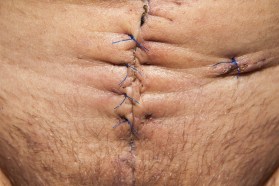
Scars can be a big pain though– literally! I have treated women who even after several years cannot tolerate pressure on a c-section scar. Men who have nice huge abdominal scars that ultimately contribute to problems with constipation. And moms who have discomfort near their perineal tears every time they have sexual intercourse.  The truth is that scar tissue is often something skilled physical therapists will evaluate and treat as part of a comprehensive program in men and women with pelvic floor dysfunction(and really, with any type of problem!). And the best part– treating scar tissue can make HUGE differences!

So, what is a scar? 

When there is an initial injury (and yes, a surgical incision is an “injury”), the body goes through three phases of healing: Inflamation, Proliferation and Remodeling. Through this process, the body creates scarring to close up the initial injury. Scars are composed of a fibrous protein (collagen) which is the same type of tissue that is in the tissue the body is repairing (i.e. skin, etc).  The difference, however, is that scars are not quite organized the same way as the tissues they replace, and they don’t really do the job quite as well. (i.e. scars are much more permeable to UV rays than skin is). Scars can form in all tissues of the body– even the heart forms scar tissue after someone has a heart attack (myocardial infarction).

How do scars lead to problems? 

After the inflammation and proliferation stage of healing, comes the remodeling. This stage can take months to years! During this time, the body is slowly adapting and changing the scar to the stresses on the tissue. Have you ever noticed that some scars initially are pink and raised and then over time become light/white and flat? That’s remodeling.  Ultimately, there are a few major reasons why a person might develop pain from a scar:

  • Adhesions: Scars are not super selective when it comes to tissues they adhere to. So, sometimes, scars will adhere to lots of tissues around them and this pull can lead to discomfort.
  • Sensitivity: Scars can become very sensitive for a variety of reasons. Sometimes, small nerves can be pulled on by the scar which can lead to irritation. Other times, people themselves will have a significant amount of fear related to the scar. This fear, can often make people avoid touching the scar, and that, along with what we know about how our brain processes fear and pain (See this post, this one, and this one), can lead to a brain that is veeerrrryyy sensitive to the scar. Along with this, muscles near scars can become tender and sensitive. This can occur due to the scar pulling on the muscle or due to the sensitive nerves in the area.
  • Weakness/Poor Muscle firing: So, we know that when our tissues are cut, the muscles around the tissues are inhibited (have you ever seen someone after a knee replacement? It can be quite a bit of work to get those muscles to fire immediately after surgery). That’s why it’s important to get the right muscles firing and moving once a person is safely healed. Moving the right muscles improves blood flow too which promotes healing.
  • Changing Movement: Painful scarring can lead to altered movement. We can especially see this with postural changes after c-sections or other abdominal surgeries, but movement patterns can change with scars all around the body. We also know that abnormal movement patterns over time can lead to dysfunction and pain.

op-103061_1920

What can we do about it? 

There are several ways physical therapists can help decrease pain from scars. Can we actually break-up/melt/eliminate scar tissue? I don’t really think so– honestly, scars are made from strong material and truly breaking up the scar is typically something that has to be done surgically– but most of the time, that is not necessary. We can decrease pain from scars by:

  • Improving the mobility of the scar: Gentle techniques to massage the scar and the tissues around the scar can facilitate blood flow to the area and decrease some of the pulling on the tissues around it. There is a thought as well that scar tissue massage can disrupt the fibrotic tissue and improve pliability of the scar (basically, help the scar organize itself a little better, and ultimately move better), and help to promote decreased adhesions of the scar to the tissues around it. Unfortunately, there really is not a lot of great research out there about scar tissue massage. However, this review published in 2012 found that 90% of people with post-surgical scars who were treated by scar massage saw an improvement in either the appearance of the scar or their overall function–which is very promising!
  • Desensitizing the scar and the nervous system: This is where I think we can make huge changes–both by improving someone’s worries/fears about the scar (calming the nervous system) and by slowly desensitizing the scar and the skin around the scar to touch. This is a slow process, but over time, many people who initially can barely tolerate pressure on the scar can be able to easily touch and move the scar without discomfort.
  • Promoting movement: So, we talked about how muscles can become inhibited or tender after a surgery? Part of improving scar tissue related pain is helping the muscles around the scar move well and learn to fire again. This can include some soft tissue treatment to the muscles to reduce the tenderness of the muscles, but ultimately leads to learning to use the muscles again in a variety of movement patterns. Movement is amazing for the body and can not only improve blood flow, but decrease pain too!

Wanna learn more? 

Several of my colleagues have written wonderful information about scar tissue! Check out this great, article and free handout by Kathe Wallace, PT on abdominal scar massage! My colleagues at the Pelvic Health and Rehabilitation Center have also written a few blogs on scars, which you can find here and here.

Have a great rest of your week!

~ Jessica